


Furnace Maintenance in Phoenix, AZ
Furnace maintenance in Phoenix, AZ ensures safe, efficient heating. Schedule a seasonal Tune-Up today and improve indoor air quality.
Phoenix furnace maintenance from Arizona TradeMasters emphasizes seasonal testing and safety, addressing dust, pollen, and rapidly shifting temperatures to maintain reliable heating. Our service helps prevent ignition issues, protects indoor air quality, and extends equipment life while improving efficiency. A comprehensive Tune-Up covers filters, burners, heat exchangers, safety controls, CO testing, airflow, ductwork, and performance reporting. Regular visits, including annual Tune-Ups and optional biannual plans, save costs, support warranties, and reduce unexpected breakdowns during peak heating periods. Invest in preventive care for steady comfort year-round.
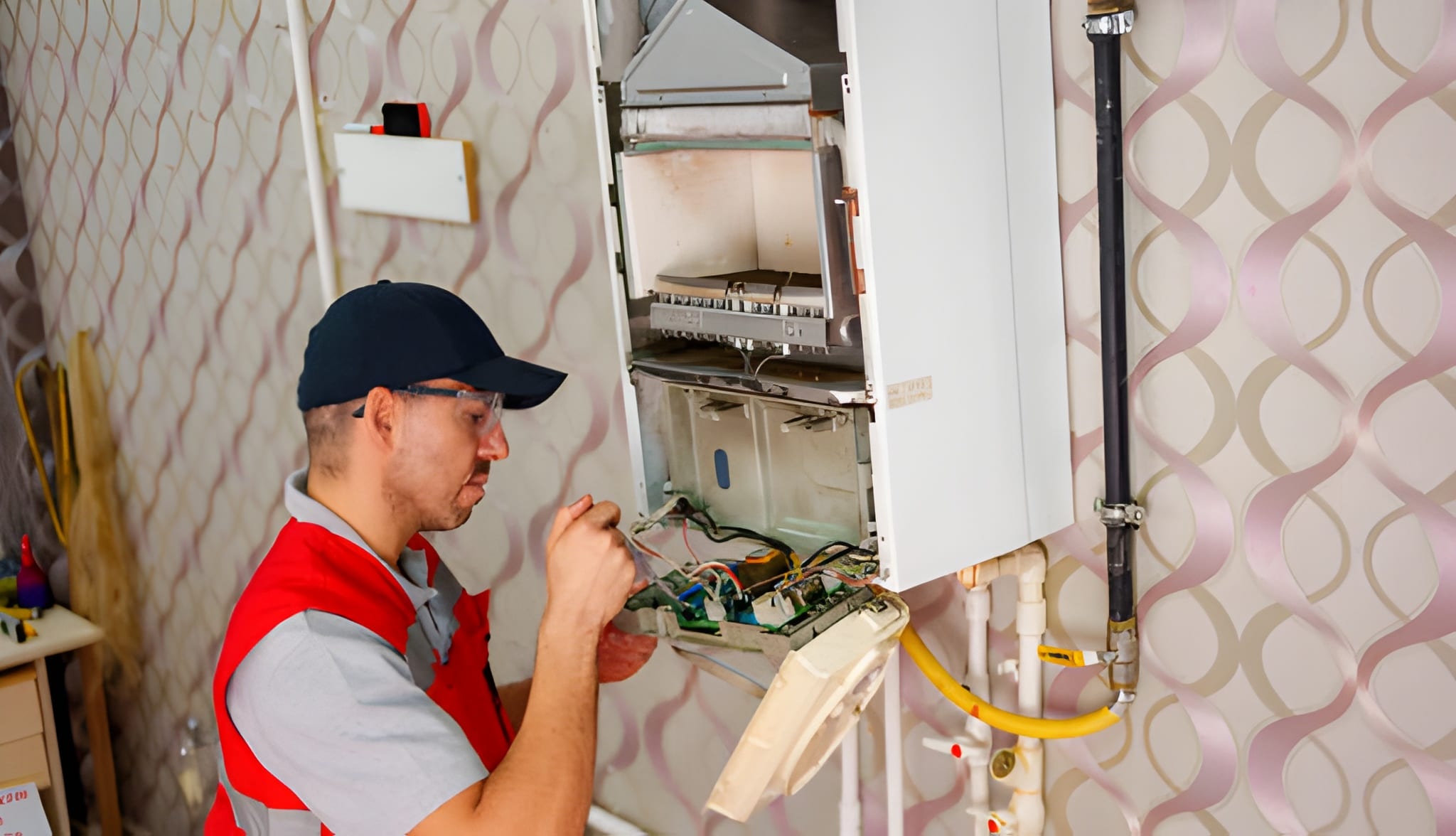
Furnace Maintenance in Phoenix, AZ
Keeping your furnace tuned and inspected is a practical way to stay safe, save energy, and avoid last-minute repairs when colder nights arrive. In Phoenix, AZ, furnace maintenance has a slightly different emphasis than in colder climates: furnaces are used seasonally but still face heavy stress from dust, pollen, and rapid temperature swings. A focused preventive maintenance program or seasonal Tune-Up prepares your system for reliable operation during the months you actually need heat and protects against efficiency losses and safety risks.
Why furnace maintenance matters in Phoenix homes
- Phoenix’s desert environment means fine dust and pollen regularly cycle through homes. Clogged filters and dirty burners reduce performance and can cause premature component failure.
- Many households run furnaces intermittently long idle periods followed by heavy use so systems that are not inspected can develop ignition problems or safety issues when required.
- Proper maintenance protects indoor air quality, preserves equipment lifespan, and reduces the chance of hazardous conditions such as incomplete combustion or flue blockages.
Common furnace problems in Phoenix
- Dirty or clogged air filters from dust and monsoon-season debris, causing airflow restrictions.
- Ignition failures or intermittent pilot/ignition system problems after months of non-use.
- Reduced efficiency due to sooty or fouled burners and poorly adjusted gas pressure.
- Cracked heat exchangers or venting issues that can compromise safety and combustion performance.
- Thermostat calibration drift leading to over-cycling or uneven heating.
- Duct leaks or insulation gaps that become more noticeable when the furnace runs, lowering comfort and increasing energy use.
What a comprehensive furnace maintenance and seasonal Tune-Up covers
A thorough maintenance visit in Phoenix typically includes these checklist items to keep your system safe and efficient:
- Filter inspection and replacement: Evaluate filter condition and replace with the correct MERV rating or disposable type. Frequency recommendations are reviewed based on household factors (pets, smokers, allergy sufferers).
- Burner and combustion inspection: Clean and inspect burners, check flame pattern and color, and verify proper ignition timing and stability.
- Heat exchanger inspection: Visual and instrument-assisted inspection for cracks, corrosion, or signs of stress that could allow combustion gases to enter living spaces.
- Safety control checks: Test limit switches, pressure switches, roll-out sensors, and other safety interlocks to confirm reliable operation.
- Carbon monoxide (CO) and combustion gas testing: Measure exhaust and ambient combustion gas levels, verify venting, and confirm the system is not producing unsafe combustion byproducts. Any unsafe readings lead to immediate shutdown and repair recommendations.
- Efficiency tuning: Adjust gas pressure and burner airflow, clean flame sensors, and optimize combustion settings to restore peak efficiency.
- Blower and motor service: Clean the blower wheel, lubricate motors when applicable, and verify proper blower speed and operation.
- Thermostat calibration and system performance checks: Verify accurate temperature control, electric/gas sequencing, and consistent cycling behavior.
- Venting and flue inspection: Check flue pipes, chimney connections, and rooftop termination for blockages, corrosion, or back-drafting.
- Ductwork review: Inspect accessible ducts and registers for blockages, obvious leaks, or disconnected runs that reduce system efficiency.
- Safety and operational report: Provide a straightforward summary of findings, recommended repairs, and priority items that could affect safety or efficiency.
Recommended maintenance frequency for Phoenix
- Annual comprehensive Tune-Up: One complete furnace inspection and Tune-Up performed before fall/winter use is standard. Scheduling in October or early November ensures the system is ready before sustained cold snaps.
- Filter checks every 1 to 3 months: In Phoenix’s dusty environment, check filters monthly during heavy dust or pollen periods and replace as needed. Homes with pets or allergies should check more frequently.
- Biannual service for dual-season systems: If you have a combined heating and cooling package or a dual-fuel system, a twice-yearly visit (pre-summer and pre-winter) can catch issues before either front of the HVAC season.
Membership plans and service agreements what they typically include
Preventive maintenance plans in Phoenix often bundle predictable benefits that reduce long-term cost and improve reliability:
- Priority scheduling during peak seasons to avoid long waits when temperatures turn.
- Discounted diagnostic fees or labor for covered repairs and waived trip fees for members.
- Scheduled annual or biannual Tune-Ups automatically booked each year to keep maintenance consistent.
- Documentation that helps maintain manufacturer warranties by proving routine upkeep.
- Seasonal reminders and maintenance logs so you know when filters were changed and what was serviced.
How technicians diagnose problems during a Tune-Up
Technicians typically follow a systematic diagnostic process:
- Start with a visual inspection of the furnace cabinet, venting, and immediate surroundings.
- Run the furnace through a full start-up cycle to observe ignition, burner operation, and blower function.
- Use a combustion analyzer and CO meter to measure combustion efficiency and exhaust gases.
- Check electrical connections, control boards, and safety switches for proper voltages and responses.
- Evaluate airflow and duct performance via static pressure checks and register inspections.
- Report findings clearly with recommended next steps prioritized by safety and performance impact.
Efficiency tuning and energy savings
Small adjustments during a Tune-Up can yield measurable savings:
- Cleaning burners and calibrating gas pressure improves combustion efficiency and reduces wasted fuel.
- Replacing clogged filters and correcting blower operation enhances airflow, reducing run times and energy demand.
- Identifying and sealing major duct leaks prevents conditioned air loss and improves comfort without adding load to the furnace.
- Regular maintenance helps the system run closer to manufacturer efficiency ratings, which typically translates to lower heating costs over the season.
Safety, indoor air quality, and peace of mind
Safety checks and CO testing are the most critical parts of a furnace Tune-Up. Proper inspection and testing ensure combustion gases are routed outdoors and that the furnace shuts down under unsafe conditions. Regular maintenance also improves indoor air quality by reducing dust circulation and removing contaminants before they spread through your home.
Practical tips for Phoenix homeowners
- Change or inspect filters more often during monsoon and high-dust seasons.
- Keep returns and registers unobstructed and periodically vacuum vents to reduce dust buildup.
- Install and maintain CO detectors on each level of the home and follow manufacturer replacement guidelines.
- Note any unusual odors, frequent cycling, or pilot/ignition problems and have them checked before heavy-use periods.
Regular furnace maintenance in Phoenix, AZ, keeps seasonal heating reliable, efficient, and safe. A preventive program tailored to local conditions dusty air, intermittent use, and mild-but-variable winters reduces the risk of unexpected failures, helps manage energy costs, and extends the life of your equipment.
Customer Testimonials
Our customers consistently praise our exceptional service and quality products. Their feedback highlights our commitment to excellence and customer satisfaction.
