


Whole House Dehumidification in Phoenix, AZ
Whole-house dehumidification in Phoenix, AZ improves comfort and protects belongings. Schedule service today to optimize humidity with your system.
Looking for a lasting solution to Phoenix's humidity challenges? Whole-house dehumidification offers exactly that, working seamlessly with your central HVAC to maintain comfortable, healthy humidity levels and actively protect your home's valuable materials. Our expertly sized systems at Arizona TradeMasters are designed to tackle monsoon-driven moisture, increases from evaporative coolers, and other indoor moisture sources, all while minimizing energy use through smart variable-speed controls and modern thermostats. Installation typically involves precise in-duct units or bypass configurations, always with meticulous condensate management. We stress the importance of annual maintenance, aiming for comfortable humidity targets around 40–50%, and performing professional load calculations to ensure reliable performance and significantly improved indoor air quality for your Phoenix home.
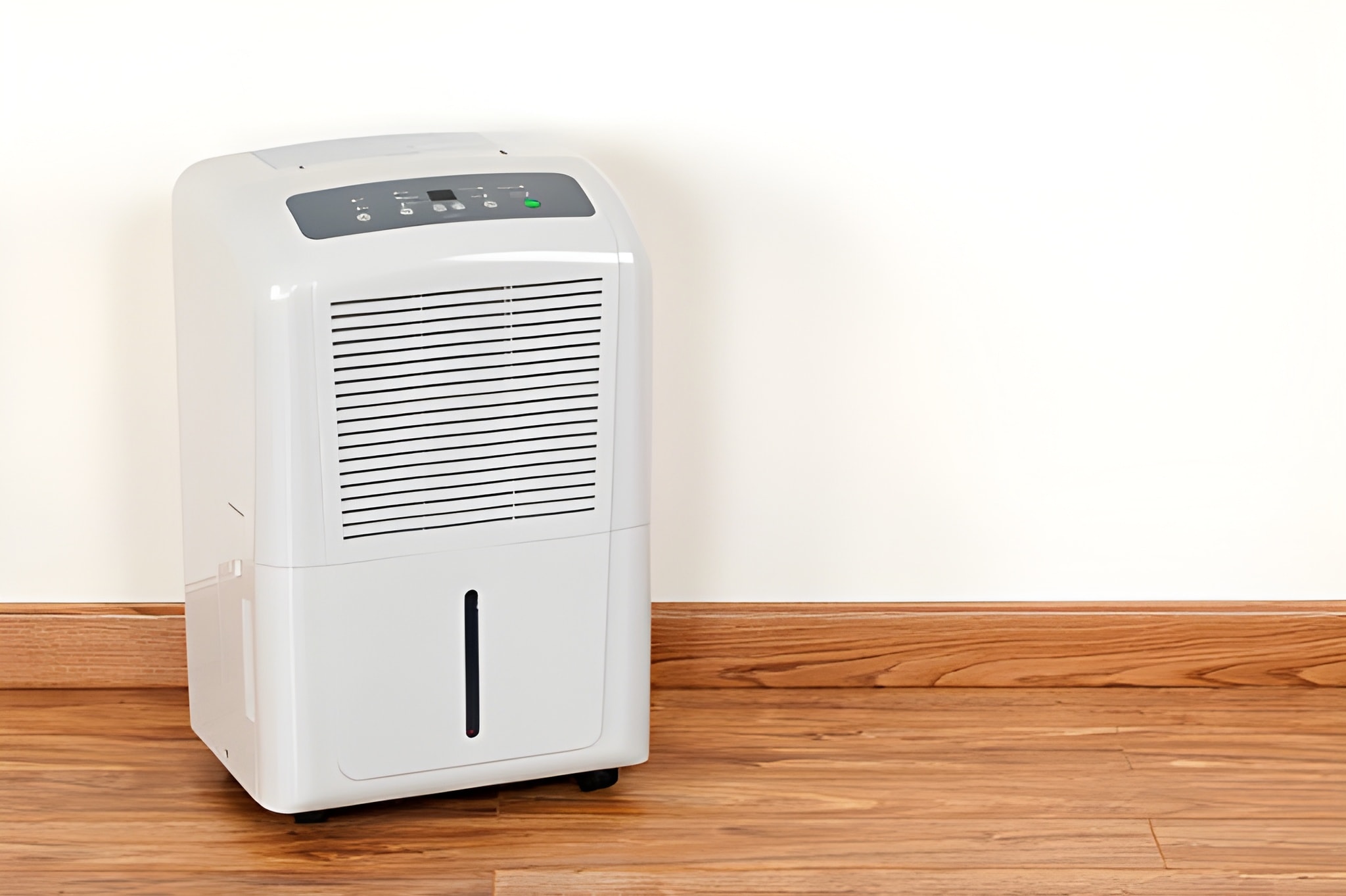
Whole House Dehumidification in Phoenix, AZ
Keeping indoor humidity within a healthy range is essential for comfort, home preservation, and indoor air quality in Phoenix homes. While Phoenix is known for dry heat most of the year, seasonal monsoons, evaporative coolers, indoor activities, and pool/spa evaporation can push indoor humidity up to levels that invite mold, mildew, musty odors, and material damage. Whole house dehumidification in Phoenix, AZ is a long-term solution that works with your central HVAC system to manage moisture continuously and protect your home and belongings.
Why whole-home dehumidification matters in Phoenix
- Monsoon spikes: Summer monsoon storms and elevated nighttime humidity create short periods of high indoor moisture that standard air conditioning cycles may not control effectively.
- Evaporative cooling and pools: Homes with swamp coolers or nearby pools often see persistent humidity increases that require active dehumidification.
- Preservation: Wood floors, cabinets, musical instruments, and stored items fare better when humidity is stable. Repeated swings between dry and humid conditions cause warping, finish failure, and accelerated aging.
- Health and comfort: Proper humidity (generally 40–50% indoors) reduces mold and dust mite growth and often improves perceived comfort without lowering thermostat settings.
Common whole-house dehumidification issues in Phoenix homes
- Persistent musty odors after monsoon nights or heavy cooking
- Mold or mildew in bathrooms, closets, attics, and around windows
- Condensation on interior windows or ductwork during humid evenings
- Warping or cupping of hardwood floors after seasonal humidity changes
- Inefficient AC cycling air conditioners short-cycle trying to remove humidity alone
How whole-home dehumidifiers work with central HVAC
Whole-home dehumidifiers integrate into your existing central air system in one of two common ways:
- Integrated (in-duct) units: Installed inline with the return or supply plenum so they treat all air passing through the HVAC system. These units remove moisture and return drier air to living spaces, operating either continuously or on demand.
- Bypass dehumidifiers: Use a portion of the system airflow; air is routed through the dehumidifier and then mixed back into the conditioned air stream. This approach can be energy-efficient when balanced properly.
Controls are usually combined with your thermostat or managed by a standalone humidistat. Modern systems use variable-speed blowers and smart controls to match dehumidification to real-time conditions, minimizing energy use while keeping humidity at target levels.
Sizing and load calculations what determines the right system
Proper sizing is critical. A system that’s too small will run continuously and underperform; one that’s too large wastes energy and may over-dry spaces. Professionals base sizing on:
- Home square footage and ceiling height
- Airtightness and building envelope (how much outdoor air leaks in)
- Occupancy and daily moisture sources (cooking, showers, laundry, houseplants)
- Local climate patterns in Phoenix, plan for baseline dry months plus monsoon humidity spikes and any evaporative cooling contributions
Capacity is commonly expressed in pints per day (or liters per day) removed under standardized conditions. A qualified assessment will combine those capacity metrics with a moisture load calculation to recommend the correct whole-house unit and control strategy.
Installation and condensate management
Typical installation steps:
- Home assessment and load calculation
- Selection of appropriately sized unit and control interface
- Physical installation in the HVAC system (return plenum, mechanical room, or duct run)
- Electrical connection and integration with thermostat/humidistat
- Condensate drain setup and commissioning
Condensate management is essential in the desert climate. Options include:
- Gravity drain to an existing condensate line or floor drain
- Condensate pump where gravity drainage is not available
- Dedicated condensate pan with float switches and overflow protection
- Proper insulation and sloping of drain lines to prevent standing water
Reliable condensate handling prevents water damage and avoids creating new moisture problems.
Energy efficiency and operating considerations
Whole-home dehumidifiers do consume energy, but when sized and controlled correctly they can reduce overall HVAC energy use by enabling higher thermostat setpoints while maintaining comfort. Key efficiency factors:
- Variable-speed compressors and fans cost less to run and maintain stable humidity with lower energy use
- Integrated controls that link to thermostats avoid redundant cooling operation just to remove moisture
- Demand-based operation during peak monsoon humidity versus lower activity in dry months reduces waste
To estimate operating impact for your home, consider:
- Unit power draw and runtime hours during humid periods
- How often it runs in Phoenix’s monsoon months versus dry months
- Your local electricity rate (compare kW usage, not just runtime)
A professional can provide an energy profile showing expected runtime patterns and how dehumidification interacts with your existing AC usage.
Maintenance and seasonal operation tips
- Replace or clean filters regularly (per manufacturer guidance) to maintain airflow and efficiency.
- Keep the condensate line clear and inspect the pump for proper operation before monsoon season.
- Schedule an annual checkup to verify controls, seals, coils, and sensors.
- During the dry winter months, monitor humidity and avoid over-dehumidifying; a target of about 40–50% relative humidity is typically comfortable and protective for belongings.
- For homes with evaporative coolers, coordinate settings so the dehumidifier can offset introduced moisture during hot months.
Typical results homeowners see in Phoenix
- Reduced mold and mildew occurrences in closets, bathrooms, and attics after monsoon rains
- Fewer musty odors and improved indoor air comfort at higher thermostat settings
- Preservation of hardwood floors, cabinets, and electronics with fewer humidity-related failures
- Improved AC efficiency and more stable indoor temperatures because the cooling system is no longer burdened with the bulk of moisture removal
Customer Testimonials
Our customers consistently praise our exceptional service and quality products. Their feedback highlights our commitment to excellence and customer satisfaction.
