


Furnace Maintenance in Chandler, AZ
Keep your Chandler, AZ furnace efficient and safe with routine maintenance and inspections. Schedule your Tune-Up today.
Furnace Maintenance in Chandler, AZ
Keeping your furnace tuned and safe matters in Chandler, AZ even though heating runs fewer hours than in colder climates. Routine furnace maintenance protects your family from safety hazards, ensures reliable heat on cold desert nights, and reduces wasted energy caused by dusty components and aging equipment. In Chandler homes, high dust loads, seasonal monsoon humidity, and wide day-to-night temperature swings create specific wear patterns that make regular Tune-Ups and ventilation checks more important than many homeowners expect, a service Arizona TradeMasters is proud to provide.
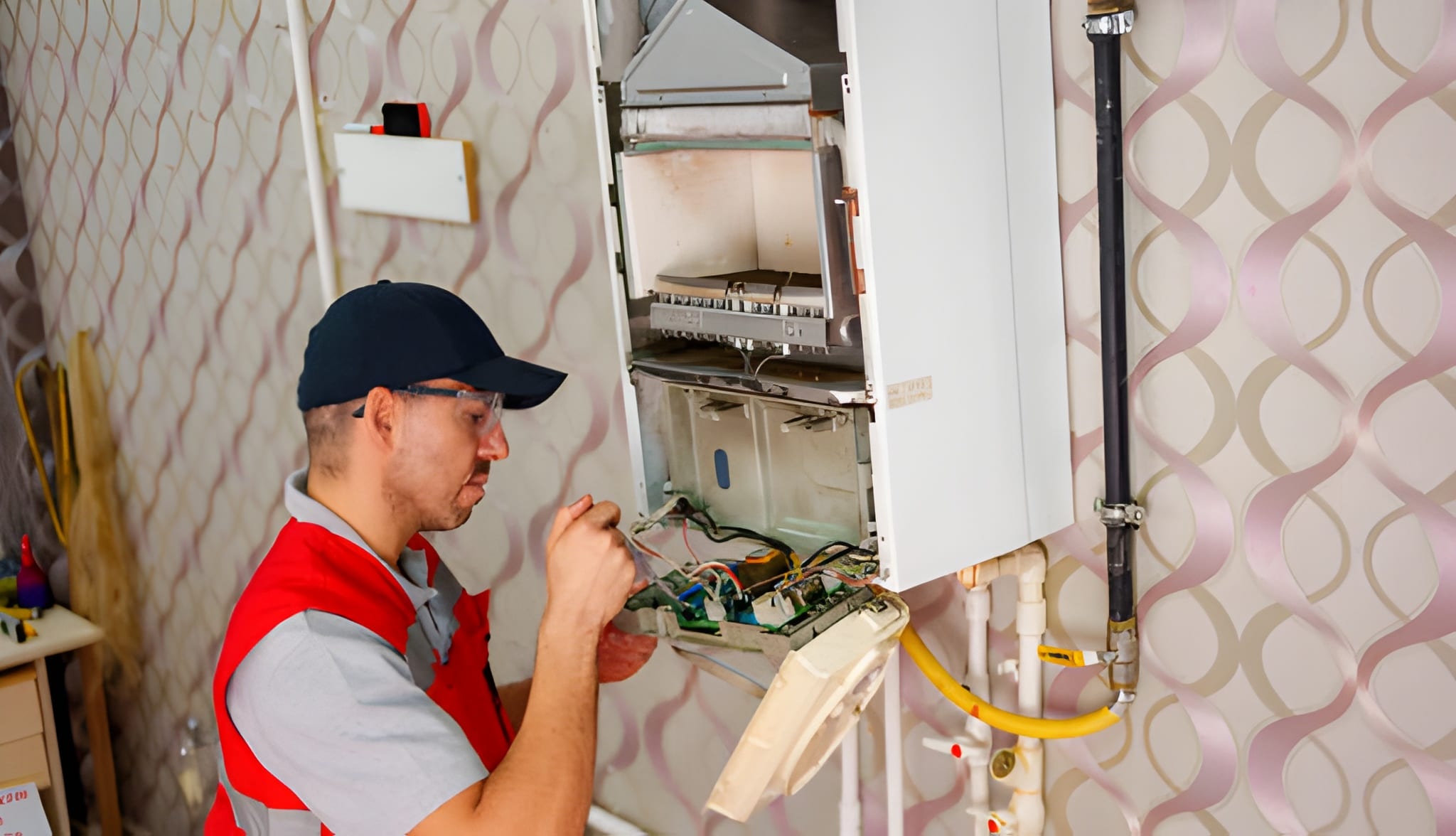
Common furnace maintenance issues in Chandler, AZ
- Clogged air filters and dust buildup — Desert dust, pollen, and pet hair accumulate faster here, restricting airflow, forcing the blower to work harder, and degrading indoor air quality.
- Dirty burners and flame sensors — Dust and debris can cause weak ignition or intermittent shutdowns.
- Blower motor wear and excessive vibrations — High dust and infrequent use can accelerate bearing and belt wear.
- Cracked heat exchangers and combustion issues — Thermal stress or corrosion can cause cracks that risk carbon monoxide (CO) leakage.
- Poor venting and flue obstructions — Birds, nests, and debris can block vents or chimneys, increasing CO and reducing combustion efficiency.
- Control and thermostat problems — Loose electrical connections or miscalibrated thermostats lead to short cycling or poor temperature control.
- Moisture effects from monsoon seasons — Humidity spikes can accelerate corrosion in metal components and electrical contacts.
What routine furnace maintenance includes
A professional furnace maintenance program for Chandler homes generally covers:
- Seasonal Tune-Up and performance check before the heating season.
- Filter inspection and replacement schedule based on filter type and home conditions.
- Combustion and ventilation inspections, including vent integrity and flue safety.
- Cleaning of burners, flame sensors, and pilot assemblies to ensure reliable ignition.
- Blower, motor, and belt cleaning, lubrication, and balancing for quiet, efficient airflow.
- Electrical safety checks for wiring, controls, and safety switches.
- Heat exchanger inspection for cracks or corrosion.
- Airflow measurement and duct inspection to identify restrictions and balance problems.
- Final safety and efficiency checks, including system startup, run tests, and documentation of findings.
Typical diagnostic and inspection process
- Visual and operational assessment — Technician verifies system model, age, and recent performance history.
- Safety shutoff and basic cleaning — Power and gas are safely shut off before cleaning key components.
- Combustion analysis — Measurement of combustion gases and stack temperature to verify efficient, safe operation.
- Heat exchanger inspection — Visual and instrumental checks for cracks or leaks that could allow CO into the home.
- Vent and flue inspection — Ensures proper draft and no obstructions from nests or debris.
- Blower and airflow evaluation — Tests static pressure and adjusts blower speed or cleans ducts if needed.
- Electrical and control testing — Confirms relays, transformers, thermostats, and safety interlocks are functioning.
- Final performance verification — System is monitored through a full cycle to confirm stable operation and efficiency.
Filter replacement schedules and best practices
- Disposable pleated filters typically need replacement every 1 to 3 months in Chandler, depending on household dust, pets, and occupancy. Homes with high dust or pets should lean toward monthly checks.
- High-efficiency (higher MERV) filters improve air quality but can restrict airflow if the furnace blower isn’t sized accordingly; choose a filter that balances filtration with manufacturer recommendations.
- Washable filters should be cleaned and fully dried on the same schedule as disposable filters to avoid microbial growth in humid seasons.
- Filter location and sealing matter: ensure proper fit and no bypass gaps around the filter frame to protect internal components.
Cleaning, lubrication, and component care
- Burner and flame sensor cleaning restores reliable ignition and consistent flame patterns.
- Blower wheel and motor cleaning removes dust that causes imbalance and overheating; motors and bearings are lubricated where appropriate.
- Pilot assembly and ignition module checks reduce failure risk of intermittent starts.
- Condensate and drain checks for high-efficiency systems prevent clogging and secondary damage.
- Duct sealing and insulation checks reduce heat loss when ducts run through unconditioned spaces like attics or garages — useful in Chandler where attics can reach high summer temperatures.
Efficiency and safety checks
Routine maintenance improves combustion efficiency, reduces blower runtime, and prevents heat exchanger stress. Safety-focused checks (venting, CO levels, gas pressure, limit switches) mitigate the most serious risks associated with gas furnaces. Well-maintained systems run more quietly, require fewer emergency repairs, and retain manufacturer warranty coverage more reliably.
Benefits of preventative furnace maintenance in Chandler
- Lower long-term energy costs by restoring efficient combustion and airflow.
- Extended equipment life through reduced mechanical stress and early correction of small issues.
- Improved reliability so heat is available during sudden chilly desert nights.
- Better indoor air quality by keeping filters and internal components clean in a dusty environment.
- Enhanced safety with regular CO checks and vent inspections to prevent hazardous conditions.
- Reduced emergency and mid-season repair needs when issues are caught during scheduled inspections.
Typical service plans and enrollment overview
Service programs for residential furnaces usually come in tiers to match needs:
- Single seasonal Tune-Up — One comprehensive inspection and cleaning before the primary heating season.
- Bi-annual seasonal plan — Pre-winter and post-summer visits that include key safety and efficiency checks for both heating and cooling seasons.
- Annual membership/priority plan — Year-round coverage with priority scheduling during peak periods, routine inspections, filter replacements at set intervals, and discounts on repairs.
- Filter subscription add-ons — Regular filter deliveries timed to the recommended replacement schedule.
Typical enrollment into a service plan involves selecting a plan level that matches system age and household conditions, providing basic furnace and home information, and arranging the preferred inspection window. Providers generally document system condition, recommend any necessary repairs, and schedule follow-up services according to the chosen plan.
Practical homeowner maintenance tips
- Check and replace filters regularly, especially after dust storms or during heavy pollen months.
- Keep return and supply vents clear of furniture and curtains to maintain good airflow.
- Install and test carbon monoxide detectors on each level of the home and near sleeping areas.
- Keep the area around the furnace free of stored items; a clear workspace makes inspections safer and faster.
- Note unusual noises, smells, or cycling behavior and have them inspected during your next scheduled Tune-Up.
Regular furnace maintenance tailored to Chandler’s climate and dust conditions delivers safer operation, better efficiency, and longer equipment life. Following a consistent maintenance schedule and choosing a plan that matches your home’s needs helps avoid unexpected failures and keeps your heating system performing reliably when you need it.
Customer Testimonials
Our customers consistently praise our exceptional service and quality products. Their feedback highlights our commitment to excellence and customer satisfaction.
