


Furnace Repair in Goodyear, AZ
Furnace repair services in Goodyear, AZ diagnose issues, explain options, and restore safe, efficient heating. Schedule service today.
Furnace Repair in Goodyear, AZ
When your furnace stops heating reliably, makes unusual noises, or cycles on and off without finishing a cycle, it becomes more than an inconvenience. In Goodyear, AZ homes where winter nights can drop suddenly and dust levels are high, a properly functioning furnace is essential for comfort and safety. Arizona TradeMasters explains common furnace symptoms, how technicians diagnose problems, typical repairs and parts replaced, emergency response options, pricing transparency, safety testing for carbon monoxide and combustion, warranty details, and what to expect when scheduling service.
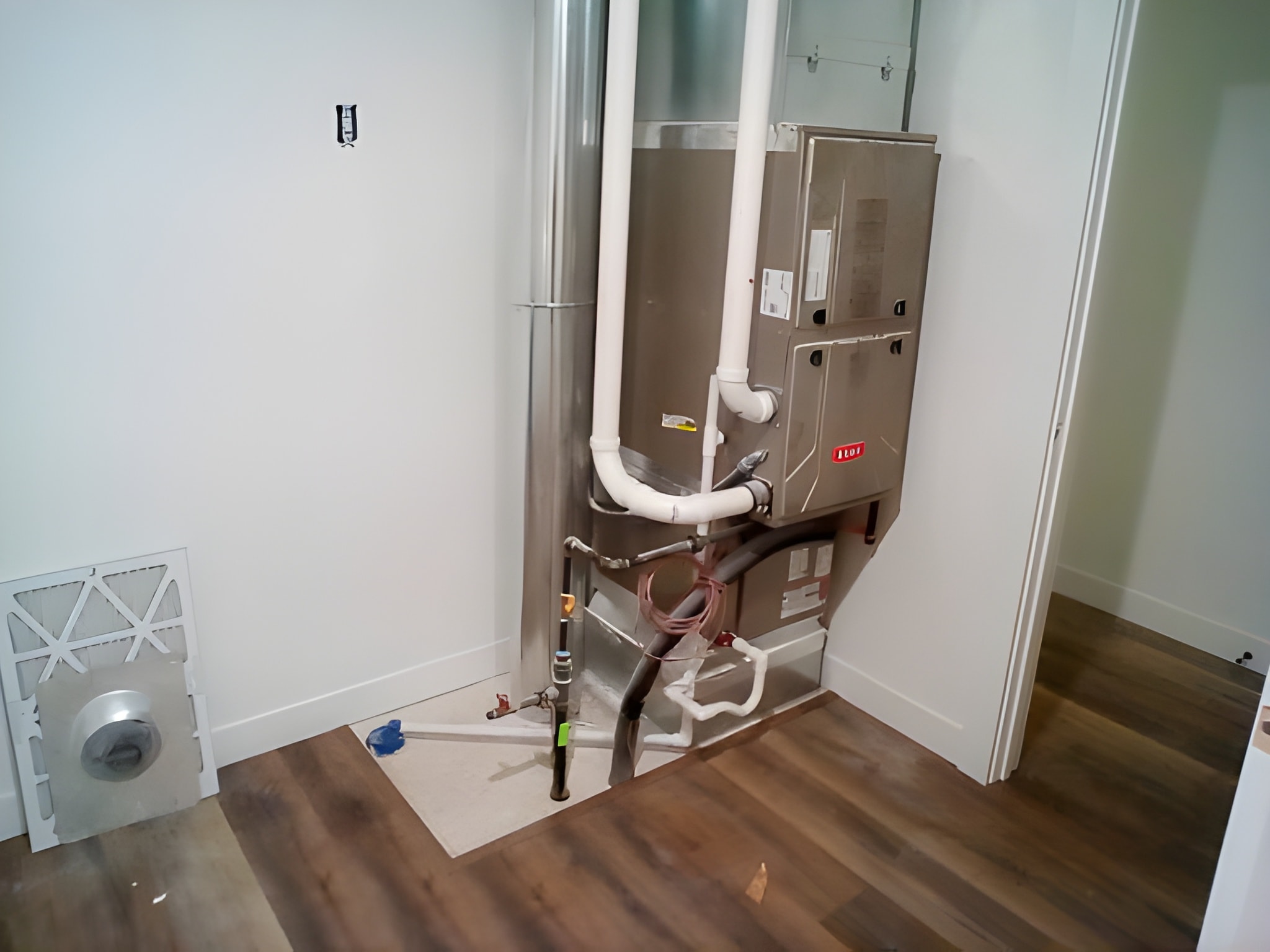
Common furnace problems in Goodyear, AZ
- No heat or intermittent heat
- Unit runs but produces little or no warm air. Causes include failed ignition, gas supply issues, clogged burners, or a malfunctioning heat exchanger.
- Short cycling
- Furnace turns on and off frequently. Often caused by airflow restrictions, a dirty filter, a failing thermostat, or an overheating safety limit switch.
- Strange noises
- Rattling, banging, squealing, or grinding typically indicate loose panels, failing blower motors, worn belts, or debris in the blower or burners. Arizona dust and sand can accelerate buildup and wear.
- Ignition failure or failure to light
- Hot surface igniters, pilot assemblies, flame sensors, or gas valves can fail. In high-dust environments, flame sensors and burners become dirty and prevent stable ignition.
- Uneven heating or weak airflow
- Blocked vents, dirty filters, duct leaks, or failing blowers reduce comfort and efficiency.
- Frequent pilot outages or error codes
- Older systems with pilots may have thermocouple failures. Modern systems may show diagnostic codes that guide repair.
- Persistent high energy bills
- Loss of efficiency from worn components, dirty burners, or a failing heat exchanger can drive higher gas usage.
Diagnostic process for furnace repair
A thorough diagnostic is the foundation of reliable furnace repair. Typical steps include:
- Visual inspection of the furnace cabinet, vents, filters, and access panels.
- Thermostat verification and system start/stop testing to confirm symptoms.
- Airflow measurement and filter condition check.
- Electrical inspection including breakers, fuses, wiring connections, and control board error codes.
- Ignition system testing: hot surface igniter, flame sensor, and pilot assembly checks.
- Gas pressure and valve operation testing for gas furnaces.
- Combustion analysis and combustion gas measurements to assess efficiency and safety.
- Heat exchanger inspection for cracks or corrosion when CO risk exists.
- Inducer motor, blower motor, and limit switch function testing.
- Technicians provide a written diagnosis and recommended options after testing, prioritizing safety issues first.
Typical repairs and parts commonly replaced
- Cleaning and tuning: burner cleaning, flame sensor polishing, and filter replacement to restore reliable operation.
- Ignition components: hot surface igniters, pilot assemblies, or ignition control modules.
- Safety and control parts: limit switches, pressure switches, relays, and control boards.
- Motors and moving parts: blower motors, inducer motors, bearings, and belts.
- Gas components: gas valves and regulators.
- Duct and airflow fixes: motorized dampers, replacement filters, and duct sealing recommendations.
- Major repairs: heat exchanger replacement (only when cracked or unsafe), or full furnace replacement when repair is no longer economical.
- Decisions between repair and replacement are based on safety, system age, frequency of failures, and estimated remaining life. In Goodyear, units exposed to dust and higher runtime during cold snaps may reach end of life sooner.
Emergency and after-hours response
Emergency furnace repair for sudden loss of heat during cold nights is available in many service plans. Emergency response typically includes:
- Remote triage to determine if the issue is an immediate safety hazard.
- Priority scheduling for unsafe conditions such as suspected carbon monoxide leaks or a cracked heat exchanger.
- Temporary safety measures like shutting down the unit, securing gas supply, or isolating faulty components until full repairs are completed.
- After-hours diagnostics and, when possible, temporary fixes to restore safe operation until parts are available.
- During rare extreme weather events, response may be prioritized based on severity and safety risk.
Transparent pricing estimates
Transparent pricing starts with a clear diagnostic fee and a written estimate before any repair work begins. Pricing considerations include:
- Cost of replacement parts and whether OEM components are requested.
- Labor time based on repair complexity and accessibility of the unit.
- Any additional work such as duct modification, permit requirements, or safety upgrades.
- Warranty coverage and whether parts are covered by manufacturer warranty.
- Estimates list parts, labor, and any applicable fees. Technicians explain options and expected lifespan improvements for each choice. Pre-authorization is standard before work proceeds.
Safety checks: carbon monoxide and combustion testing
Safety testing is critical, especially when a cracked heat exchanger or venting issue is suspected. Standard safety checks include:
- Carbon monoxide testing using calibrated meters to measure indoor and flue CO levels.
- Combustion analysis to measure flue gas composition, draft, and efficiency.
- Heat exchanger inspection to identify cracks or corrosion that could allow combustion gases into living spaces.
- Venting and chimney inspections to confirm proper vent flow and clearance.
- If dangerous CO levels or a compromised heat exchanger are found, the furnace is shut down and safe alternatives are recommended until the issue is resolved.
Warranty and parts information
Repair work typically includes:
- Manufacturer parts warranty if OEM parts are used, subject to the original manufacturer terms.
- Aftermarket parts warranty ranging from limited short-term coverage to longer warranties depending on the component.
- Labor warranty for a specified period after the repair, covering workmanship on the repaired items.
- Service documentation lists the replaced parts, serial numbers, warranty terms, and maintenance recommendations. Homeowners are advised to register manufacturer warranties when applicable.
How scheduling and the service visit usually work
Scheduling a repair generally follows these steps:
- Appointment availability is confirmed and a service window is provided.
- Technicians arrive within the scheduled window with diagnostic equipment and common replacement parts.
- A pre-inspection walk-through explains what the technician will inspect and any safety precautions.
- After diagnostics, the technician explains findings and provides a written estimate with repair options.
- Upon approval, repairs are completed and post-service testing is performed to verify safe operation.
- Homeowners can prepare by ensuring clear access to the furnace, noting any unusual symptoms, and taking steps to secure pets or clear pathways.
Maintenance tips to reduce future repairs
- Replace or clean air filters regularly, especially during high-use periods.
- Keep the furnace area free of dust, debris, and stored items that restrict airflow.
- Schedule annual furnace Tune-Ups before the cold season to catch developing issues.
- Use a properly calibrated thermostat and consider a programmable thermostat to reduce runtime.
- Address small issues promptly to avoid larger failures during cold nights.
Timely furnace repair preserves safety, restores comfort, improves efficiency, and can extend the life of your system. In Goodyear, AZ, where dust and temperature swings influence furnace performance, prompt attention to symptoms and regular maintenance are especially important for reliable heating.
Customer Testimonials
Our customers consistently praise our exceptional service and quality products. Their feedback highlights our commitment to excellence and customer satisfaction.
