


Furnace Repair in Mesa, AZ
Furnace repair in Mesa, AZ offering emergency and routine diagnostics, safe operation checks, and fast, same-day scheduling. Learn more.
Arizona TradeMasters' Mesa furnace repair services offer urgent and routine diagnostic expertise to restore safe operation, reduce energy waste, and prevent future breakdowns. Our process emphasizes safety checks, thermostat and power verification, airflow assessment, ignition testing, gas supply verification, electrical diagnostics, and venting integrity. Common repairs include ignitors, flame sensors, capacitors, blower motors, gas valves, and heat exchanger evaluations. Timelines vary by severity, with many jobs completed the same day, while major parts may require follow-up visits and warranty considerations. Maintenance tips help prolong life.
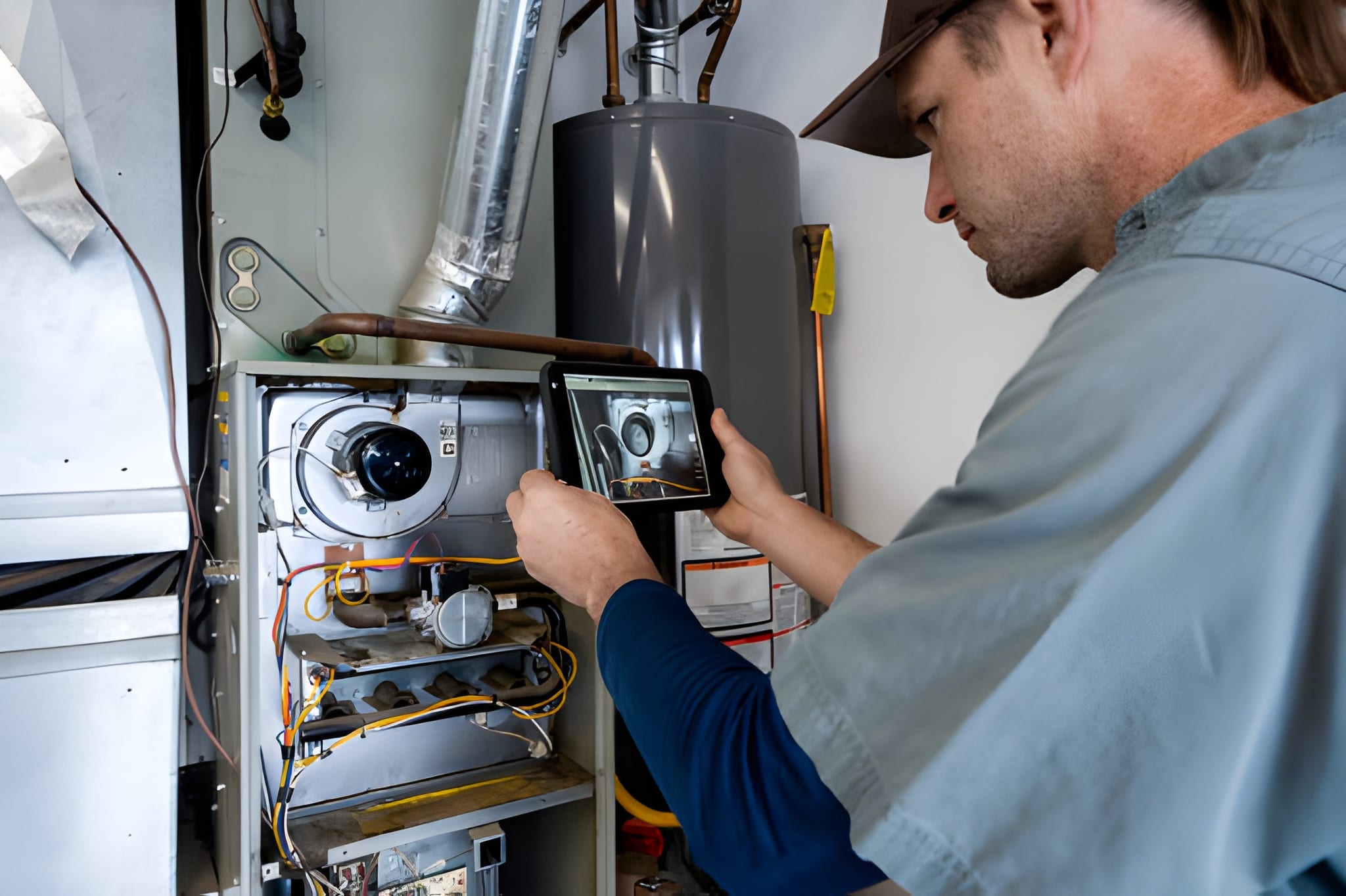
Furnace Repair in Mesa, AZ
When your furnace fails on a chilly night in Mesa, AZ, you need fast, confident service that diagnoses the problem, restores safe operation, and prevents repeat breakdowns. Designed to help you understand emergency and routine furnace repair offerings for Mesa homes, common fault symptoms you should never ignore, the diagnostic steps technicians use, typical repair solutions and parts, realistic service timelines, warranty and safety checks, and guidance on scheduling same-day or after-hours repairs in the Valley of the Sun.
Why furnace repair matters in Mesa, AZ
Mesa’s winters are short but can drop to near-freezing overnight. Many homes rely on gas furnaces that sit idle most of the year; lack of use, combined with seasonal dust and monsoon debris, increases the chance of ignition, sensor, and airflow issues when heating is needed. Prompt repair protects indoor comfort, reduces energy waste, and addresses safety risks like carbon monoxide leaks and gas odors.
Common furnace repair issues in Mesa, AZ
Homeowners in Mesa report these frequent symptoms:
- No heat at all despite the thermostat being set correctly
- Intermittent heating or frequent short cycling (furnace turns on and off rapidly)
- Unusual noises: rattling, squealing, banging, or humming coming from the furnace or ducts
- Pilot light or electronic ignition problems: won’t light or stays out
- Weak or inconsistent airflow from vents
- Burning or rotten-egg smell (possible gas leak) or yellow pilot flame (incomplete combustion)
- Increased energy bills during heating periods
- Furnace runs but blower won’t start or runs continuously
Each symptom points to different root causes; early diagnosis prevents small faults from becoming expensive failures.
Diagnostic process — what a professional will check
A thorough diagnostic balances safety checks and targeted component testing. Typical steps include:
- Safety first: Verify the area is free of gas odors; check carbon monoxide detectors and shut down the system if a leak is suspected.
- Thermostat and power checks: Confirm thermostat settings, batteries, fuse breakers, and disconnect switches.
- Airflow and filters: Inspect and test filters, return vents, and blower function for blockages or clogged filters (common after monsoon season).
- Ignition system and flame: For gas furnaces, test pilot assembly or electronic ignitor, flame sensor, and observe flame color and stability.
- Gas supply and valves: Ensure gas valve operation and pressure are within safe ranges.
- Electrical components: Test capacitors, relays, control boards, and wiring for faults or burn signs.
- Combustion and venting: Inspect heat exchanger for cracks or corrosion and confirm vent and flue integrity to prevent CO hazards.
- Motors and mechanical parts: Evaluate blower motor, bearings, belts, and inducer motor for wear or failure.
Technicians document findings and outline repair options, timelines, and safety recommendations.
Typical repairs and parts used
Common repairs for Mesa furnaces include:
- Filter replacement and airflow cleaning (fast, preventive fix for many problems)
- Ignitor or pilot assembly replacement for failed ignition sequences
- Flame sensor cleaning or replacement when the furnace starts then shuts off after a few seconds
- Capacitor, relay, or control board replacement to resolve electrical faults or intermittent failures
- Blower motor repair or replacement for weak airflow or noisy operation
- Gas valve or pressure regulator replacement when gas supply is inconsistent or unreliable
- Inducer motor and pressure switch repairs to correct venting and draft issues
- Heat exchanger inspection and evaluation; cracked heat exchangers often lead to replacement recommendations because they pose CO risks
Parts commonly used are OEM or equivalent replacement ignitors, flame sensors, thermostats, control modules, belts, capacitors, motors, gas valves, and vent seals. The choice of part balances reliability, compatibility with your furnace model, and long-term safety.
Service timelines and same-day or after-hours repairs in Mesa
Typical service timelines for repairs:
- Diagnostics: 30–90 minutes on-site depending on system complexity.
- Minor repairs and maintenance: Often completed the same day (filters, sensors, ignitors, belt changes).
- Major component replacements: May require ordering parts and scheduling a follow-up visit; turnaround depends on part availability.
- Emergency or after-hours situations: After-hours crews can assess and make temporary fixes to restore safe operation; full repairs may be scheduled during regular hours when necessary parts are needed.
Mesa homeowners should know that dust, part availability, and older systems can extend timelines. Mentioning your furnace model and symptoms when requesting service helps technicians bring likely parts for same-day repair.
Warranty, safety checks, and documentation
Safe furnace repair includes clear documentation and safety verification:
- Safety checks performed at each visit: carbon monoxide testing, combustion analysis when required, gas-leak detection, proper venting and flue inspection, and verification of safety switches and limit controls.
- Warranties and guarantees: Repairs may carry parts and labor coverage from the installing or repairing party and separate manufacturer warranties for replacement components. Keep equipment manuals and warranty paperwork handy to confirm existing coverage.
- Service records: A written report should outline diagnostics, replaced parts, safety test results, and recommendations for future maintenance or replacement.
When to repair versus replace
Repairing a furnace in Mesa is often the right choice for isolated component failures or recent systems. Consider replacement when:
- The heat exchanger is cracked or corroded (safety risk)
- Repairs are frequent and costs are escalating relative to the system’s age
- The furnace is over 15–20 years old and efficiency has declined significantly
- Heating performance remains poor after multiple repairs
Replacing with a modern high-efficiency model improves comfort and reduces energy waste, but repair remains cost-effective for many mid-life systems.
Maintenance tips for Mesa homes
Regular care prolongs furnace life and reduces emergency calls:
- Replace filters every 1–3 months during use, more often when monsoon dust is heavy
- Schedule an annual Tune-Up before the cooling-to-heating transition to verify ignition, combustion, and safety controls
- Keep outdoor vents and intake areas clear of debris, vegetation, and nesting material
- Install and maintain carbon monoxide detectors on each level of the home and test them routinely
- Seal and insulate ductwork where practical to improve airflow and efficiency
Customer Testimonials
Our customers consistently praise our exceptional service and quality products. Their feedback highlights our commitment to excellence and customer satisfaction.
