


Furnace Service in Glendale, AZ
Furnace service in Glendale, AZ ensures safe, efficient operation with inspections, repairs, and maintenance plans. Schedule a diagnostic.
For residents of Glendale, AZ, keeping your heating system safe, efficient, and dependable is crucial. At Arizona TradeMasters, we offer comprehensive furnace care through meticulous inspections, accurate diagnostics, reliable repairs, and tailored maintenance plans. We understand the unique heating challenges of our region. Our team will guide you through our thorough inspection process, explain common repair solutions, and offer strategies to optimize your comfort and energy usage. Should an emergency strike, you'll know what to expect from our rapid response. We're here to help you weigh the options of repair versus replacement, and we make it simple to request service or a quote, offering valuable tips for preventive maintenance and easy scheduling. With Arizona TradeMasters, you can always expect clear estimates and transparent timelines for all your heating needs.
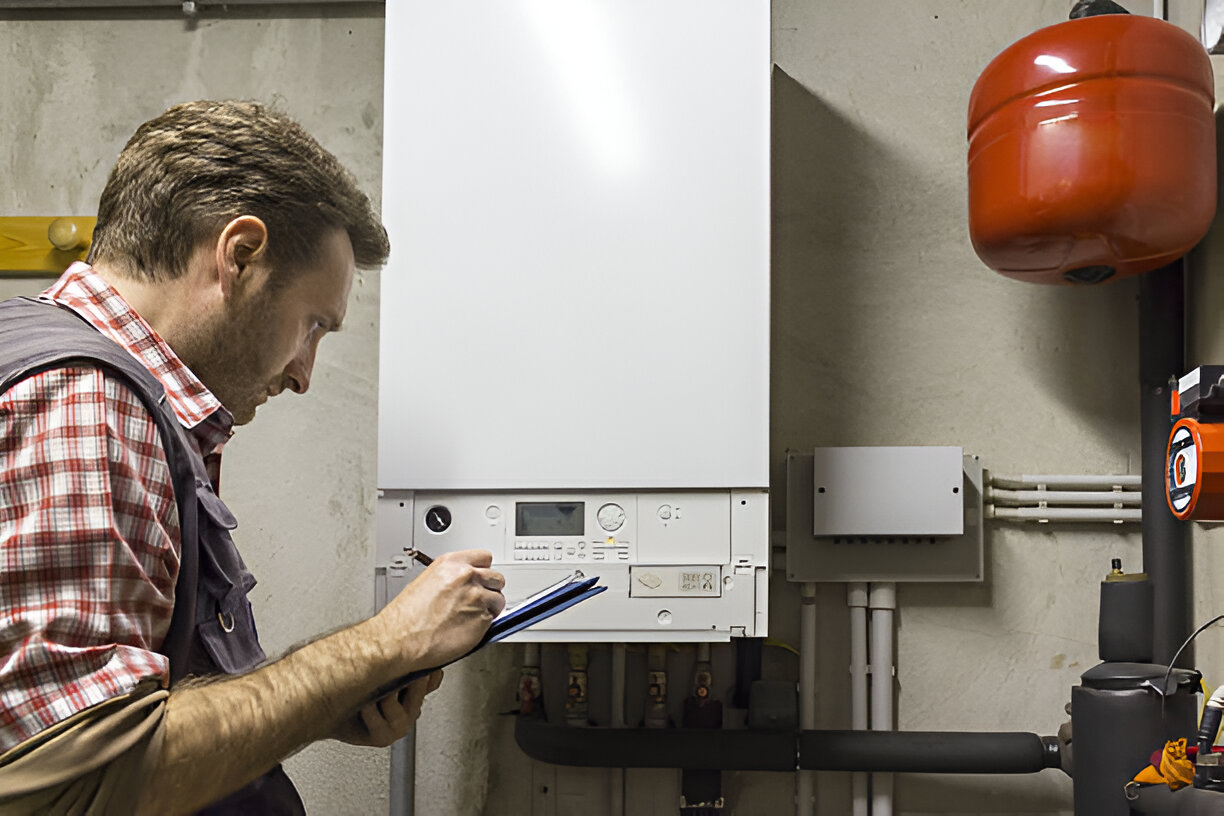
Furnace Service in Glendale, AZ
A dependable furnace is essential for comfort during cool desert nights and the occasional cold snaps that hit Glendale, AZ. Professional Furnace Service in Glendale, AZ focuses on keeping your heating system safe, efficient, and ready when temperatures drop.
Why furnace care matters in Glendale, AZ
Glendale experiences wide diurnal temperature swings, dry air, and frequent dust. Those local factors create unique wear patterns on furnaces:
- Dust and grit accelerate filter clogging and reduce airflow.
- Dry air increases static and can stress components that rely on humid conditions.
- Frequent on-off cycling during transitional seasons stresses ignition systems and motors.
- Timely furnace service reduces safety risks, improves comfort during cold nights, and prevents expensive breakdowns during peak use.
Common furnace issues in Glendale, AZ homes
Homeowners in Glendale typically encounter these frequent problems:
- Poor or uneven heating across rooms
- Short cycling (frequent on-off cycles)
- Weak or no ignition, pilot or ignition failure
- Blower motor noise or failure
- Clogged filters and dirty burners
- Yellow or flickering pilot light indicating combustion issues
- Thermostat miscalibration or communication problems
- Excessive dust accumulation in vents and ducts
Understanding these common issues helps prioritize inspections and fixes that deliver the most immediate benefit.
What a thorough inspection and diagnostic process includes
A comprehensive furnace inspection identifies safety hazards, efficiency losses, and imminent failures. Typical steps:
- Visual safety check for gas leaks, carbon monoxide risk factors, and venting obstructions.
- Filter and combustion chamber evaluation to assess cleanliness and airflow.
- Ignition system and flame-check to confirm proper combustion and stable pilot or electronic ignition.
- Blower and motor test to measure airflow, listen for unusual bearings noise, and verify speed control.
- Thermostat calibration and control system diagnostic to ensure accurate setpoints and communication.
- Electrical inspection for loose connections, faulty relays, and voltage irregularities.
- Performance testing, including system run-cycles, temperature rise, and efficiency indicators.
Diagnostics combine observations with measurements to pinpoint root causes rather than apply temporary fixes.
Repairs, parts replacement, and system optimization
Repairs should address the underlying cause and restore safe, efficient operation:
- Common repairs: igniter replacement, flame sensor cleaning or replacement, blower motor repair, capacitor and relay replacement, control board fixes, gas valve servicing.
- Parts replacement: when components are worn or obsolete, replacing with compatible, energy-efficient parts prevents repeat failures. Priority is given to safety-critical parts.
- System optimization for comfort and efficiency: sealing air leaks in ductwork, adjusting blower speed for balanced airflow, upgrading filters to reduce dust recirculation, and tuning combustion for proper fuel-to-air ratio.
Optimization often yields immediate comfort improvements and lower energy use, especially valuable in a climate with strong cooling and intermittent heating demands.
Maintenance plans: what’s included and why they pay off
Regular preventive maintenance extends equipment life and reduces emergency repairs. Typical maintenance plan features:
- Seasonal inspections and Tune-Ups before the heating season
- Filter replacement schedule based on usage and indoor air quality
- Safety checks for combustion and venting systems
- Priority scheduling for service calls and record-keeping of past repairs
- Recommended replacement timelines for major components
Benefits of a maintenance plan in Glendale include fewer dust-related issues, fewer surprise failures during cold spells, and steadier efficiency across seasons.
Emergency response and what to expect during urgent repairs
Emergency furnace repair options are essential when a home’s heating fails unexpectedly at night or during sudden cold snaps. Typical emergency response elements:
- Rapid assessment to determine safety hazards first (gas leaks, CO risk).
- Short-term measures to restore safe operation where possible.
- Clear estimation of necessary parts and expected repair timelines.
- Temporary recommendations to maintain safe indoor temperatures until full repair is completed.
In Glendale’s climate, fast emergency response reduces risk during nights that dip below comfortable levels and minimizes exposure to health risks for vulnerable occupants.
When to repair versus replace
Deciding whether to repair or replace depends on age, repair history, efficiency, and cost-effectiveness:
- Repair is sensible for recent units with isolated failures or when repairs are minor.
- Replacement becomes the better choice if the furnace is older (typically beyond 15 years), requires repeated major repairs, or if efficiency improvements will yield significant energy savings.Energy efficiency upgrades and modern controls can offset replacement costs over time in homes that value lower utility bills and greater comfort.
Practical instructions for requesting service or getting a quote
To prepare for service or a quote, collect these details to streamline the visit:
- System make, model, and approximate age (usually on a label in the furnace cabinet)
- Symptoms observed (when the issue started, any noises, thermostat behavior)
- Recent maintenance history and any prior repairs
- Home layout notes that affect heating (multiple levels, long duct runs, additions)
Typical provider pathways for requesting service or a quote include online scheduling forms, email inquiry channels, or phone-based appointment systems. Expect a pre-visit conversation to confirm symptoms and schedule a diagnostic inspection, followed by a written estimate for recommended repairs or replacement options.
Preventive tips to keep your furnace reliable
Simple habits help reduce breakdowns and extend the life of your system:
- Replace or clean filters every 1 to 3 months depending on dust levels and pets.
- Keep the area around the furnace clear and free of dust accumulation.
- Monitor thermostat behavior and set back temperatures conservatively overnight.
- Schedule annual professional Tune-Ups, ideally before the first cold nights.
- Ensure vents and returns are unobstructed for balanced airflow.
Customer Testimonials
Our customers consistently praise our exceptional service and quality products. Their feedback highlights our commitment to excellence and customer satisfaction.
