


HVAC Service in Tempe, AZ
Tempe HVAC service offers diagnostics, repair, and maintenance to improve comfort and efficiency. Learn more and request a quote today.
Living in Tempe, we know how brutal the Arizona heat can be on your HVAC system. That's why at Arizona TradeMasters, we've built our HVAC service around tackling the unique challenges of our desert climate and those crazy monsoon seasons. We're not just fixing things; we're solving problems. Think short cycling, dusty coils, leaky ducts, and all those air quality issues that pop up. We use a really thorough diagnostic process to get to the root of the problem and make sure the repairs last. We're talking quality parts, careful refrigerant handling, and installations that are sized just right to keep the air flowing efficiently. Plus, Arizona TradeMasters offers maintenance plans to keep everything running smoothly, indoor air quality improvements, and straightforward quotes you can actually understand.
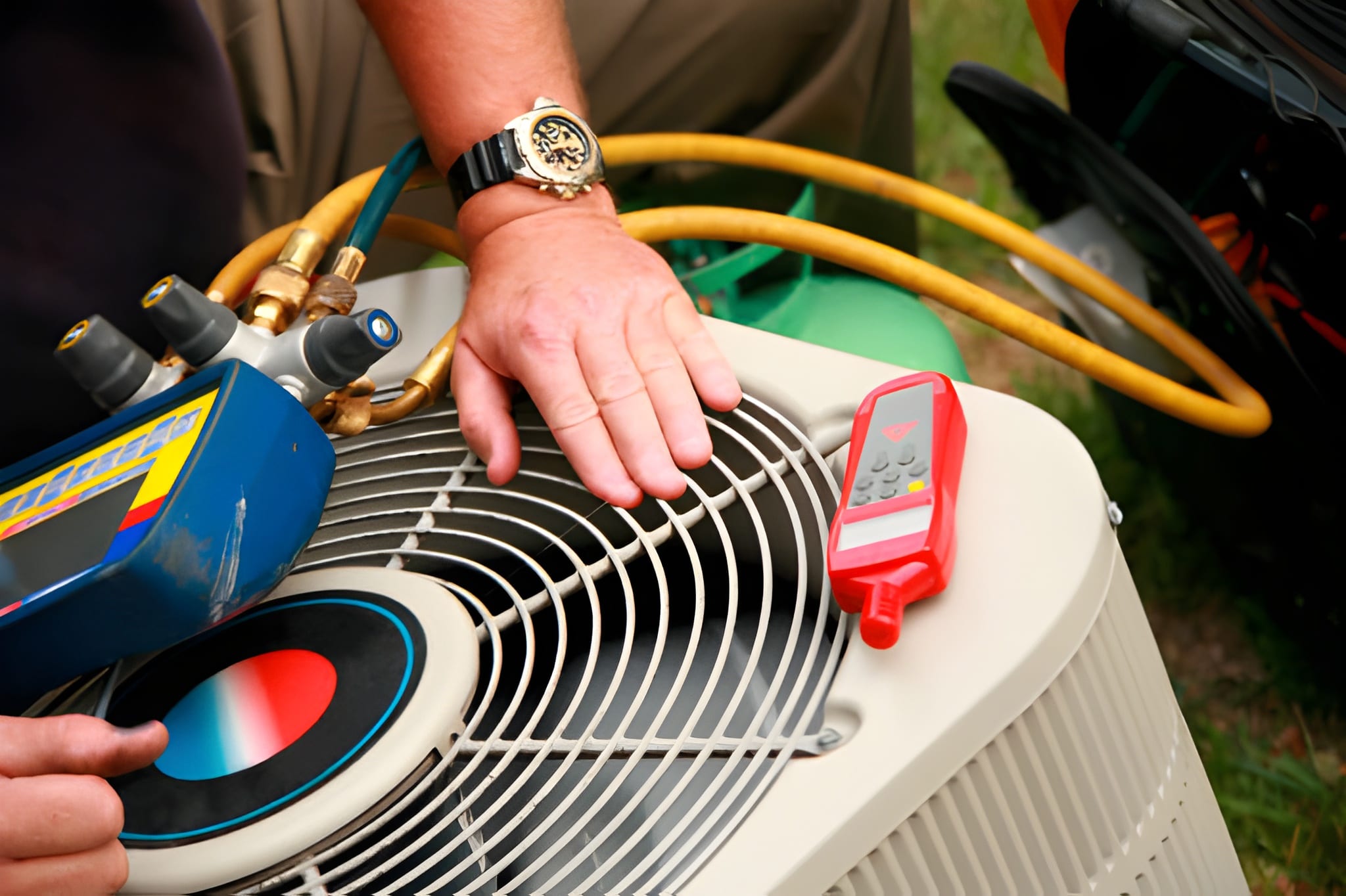
HVAC Service in Tempe, AZ
Keeping your home comfortable and energy-efficient in Tempe, AZ requires HVAC service that is tailored to the Valley’s hot summers, dusty monsoons, and seasonal pollen. Whether you need diagnostics, repair, a new installation, or ongoing maintenance, local HVAC service focuses on rapid, accurate problem solving and solutions that extend equipment life, improve indoor air quality, and lower operating costs.
Why Tempe homes need specialized HVAC service
Tempe’s long cooling season and high ambient temperatures place continuous stress on air conditioning systems. Fine desert dust, pollen from local trees, and occasional monsoon debris accelerate filter clogging and coil fouling. Older ductwork in some neighborhoods and rooftop units exposed to intense sun can reduce efficiency and increase breakdown risk. Addressing these local factors during diagnostics and service keeps systems reliable and prevents premature failures.
Common HVAC issues in Tempe
- Frequent short cycling or reduced cooling output during peak heat
- High energy bills caused by inefficient systems or poor airflow
- Compressor failures, capacitor or contactor issues after heavy use
- Clogged filters and dirty evaporator or condenser coils from dust and pollen
- Refrigerant leaks identified by frost on lines or loss of cooling
- Condensate drain clogs and water-staining during monsoon season
- Uneven temperatures due to duct leaks, poor insulation, or balancing issues
- Indoor air quality complaints: dust, odors, allergens, or persistent humidity
Professional diagnostics: what to expect
A systematic diagnostic process finds root causes so repairs last:
- Visual and operational inspection of outdoor unit, indoor coil, air handler, and thermostat.
- Load and sizing review (Manual J considerations) to confirm system capacity for your home.
- Airflow measurements across registers and supply/return to identify restrictions.
- Refrigerant pressure checks and superheat/subcooling to detect leaks or improper charge.
- Electrical testing of capacitors, contactors, motors, and safety controls.
- Duct leakage and insulation assessment, with pressure testing when needed.
- Indoor air quality screening for filtration, humidity levels, and ventilation needs.
- Diagnostics are explained in clear terms and documented so you understand recommended repairs and their impact.
Repairs and installations explained
Repairs focus on restoring performance reliably:
- Typical repairs: replacing capacitors, contactors, motors, thermostats, fixing refrigerant leaks, and repairing condensate drains.
- Quality parts and proper refrigerant handling (EPA 608 compliance) ensure long-term reliability.
- For replacements, correct sizing and proper installation practices are critical: right-sized equipment, correct refrigerant charge, proper airflow, secure line sets, condensate drainage, and electrical safety.
- Upgrades often considered in Tempe include high-efficiency air conditioners, variable-speed compressors, and smart thermostats that manage cooling during peak heat and save energy.
Maintenance plans and service agreements
A proactive maintenance plan reduces emergency repairs and improves efficiency. Typical plan benefits include:
- Seasonal Tune-Ups (spring and fall) with coil cleaning, refrigerant checks, safety inspections, and performance testing
- Priority scheduling for members and documented service history
- Discounts on repairs and parts during the agreement term
- Predictive maintenance to catch wear items before failure, extending equipment life
- Clear record keeping that helps with warranty compliance and future resale value
- Service agreements tailor frequency and scope to your home’s needs, cooling load, and occupancy patterns.
Indoor air quality and duct services
Indoor air quality (IAQ) matters in Tempe where dust, pollen, and occasional wildfire smoke can affect comfort and health. IAQ options and duct services include:
- Filtration upgrades: MERV-rated filters and whole-home filtration to reduce particulates
- UV germicidal lights to inhibit microbial growth on coils and drain pans
- Humidification or dehumidification systems where needed to stabilize indoor moisture
- Ventilation improvements to bring in controlled fresh air while minimizing contaminants
- Duct sealing, insulation, and balancing to improve airflow, eliminate energy loss, and reduce dust circulation
- Professional duct cleaning when contamination or excessive debris is present
- Combining filtration, ventilation, and ductwork improvements yields measurable improvements in home comfort and health.
Technician qualifications and certifications
Reliable HVAC service depends on trained, credentialed technicians:
- EPA 608 certification for refrigerant handling and recovery
- NATE (North American Technician Excellence) certification or equivalent trade qualifications
- Licensed and insured per Arizona state and local regulations
- Ongoing manufacturer training for newer, high-efficiency equipment and heat pump systems
- Standard safety protocols, background screening, and professional conduct during in-home service
- Technicians explain findings in plain language and provide documented recommendations and options.
Emergency response and safety procedures
Emergency situations are addressed with safety and triage first:
- Initial remote triage to identify immediate hazards such as electrical faults, gas leaks, or carbon monoxide risks
- On-site stabilization procedures to restore safe operation or temporary cooling when full repair must wait
- Clear safety checks on electrical components, refrigerant containment, and condensate-related water damage
- Documentation of emergency work and recommendations for follow-up repairs or replacements
- Emergency response protocols prioritize occupant safety and minimal disruption while preserving equipment.
How to request service or get a quote
The process for requesting service or obtaining a quote is straightforward and transparency-focused:
- Prepare basic information for an accurate quote: HVAC brand and model numbers, age of equipment, symptoms you observe (no cool, strange noises, leaks, odors), and recent maintenance history.
- Provide home details that affect sizing and solutions: square footage, number of stories, attic insulation, and typical occupancy or thermostat setpoints.
- Expect a clear scope: technicians will explain options, outline recommended repairs or replacement scenarios, and provide written estimates that separate parts, labor, and any recommended upgrades.
- For installations, an on-site assessment or detailed photos often precede an accurate proposal to ensure correct equipment sizing and installation planning.
- This process helps you compare options, understand long-term costs and benefits, and choose the right solution for Tempe’s climate and your home.
Customer Testimonials
Our customers consistently praise our exceptional service and quality products. Their feedback highlights our commitment to excellence and customer satisfaction.
