


HVAC Tune-Up in Litchfield Park, AZ
HVAC Tune-Up in Litchfield Park, AZ: boost efficiency, prevent breakdowns, and extend equipment life. Schedule your Tune-Up today.
When you schedule an HVAC Tune-Up in Litchfield Park, AZ, you're getting a service that truly understands our local climate challenges, common system issues, and includes a thorough service checklist. A professional Tune-Up with Arizona TradeMasters boosts efficiency, safety, and comfort by meticulously inspecting thermostats, electrical components, airflow, refrigerant, coils, condensate drains, belts, and performing essential safety tests. We'll also discuss expected timelines, typical repairs versus replacements, and offer practical maintenance tips to extend your equipment's life and significantly reduce emergency breakdowns in our demanding desert conditions.
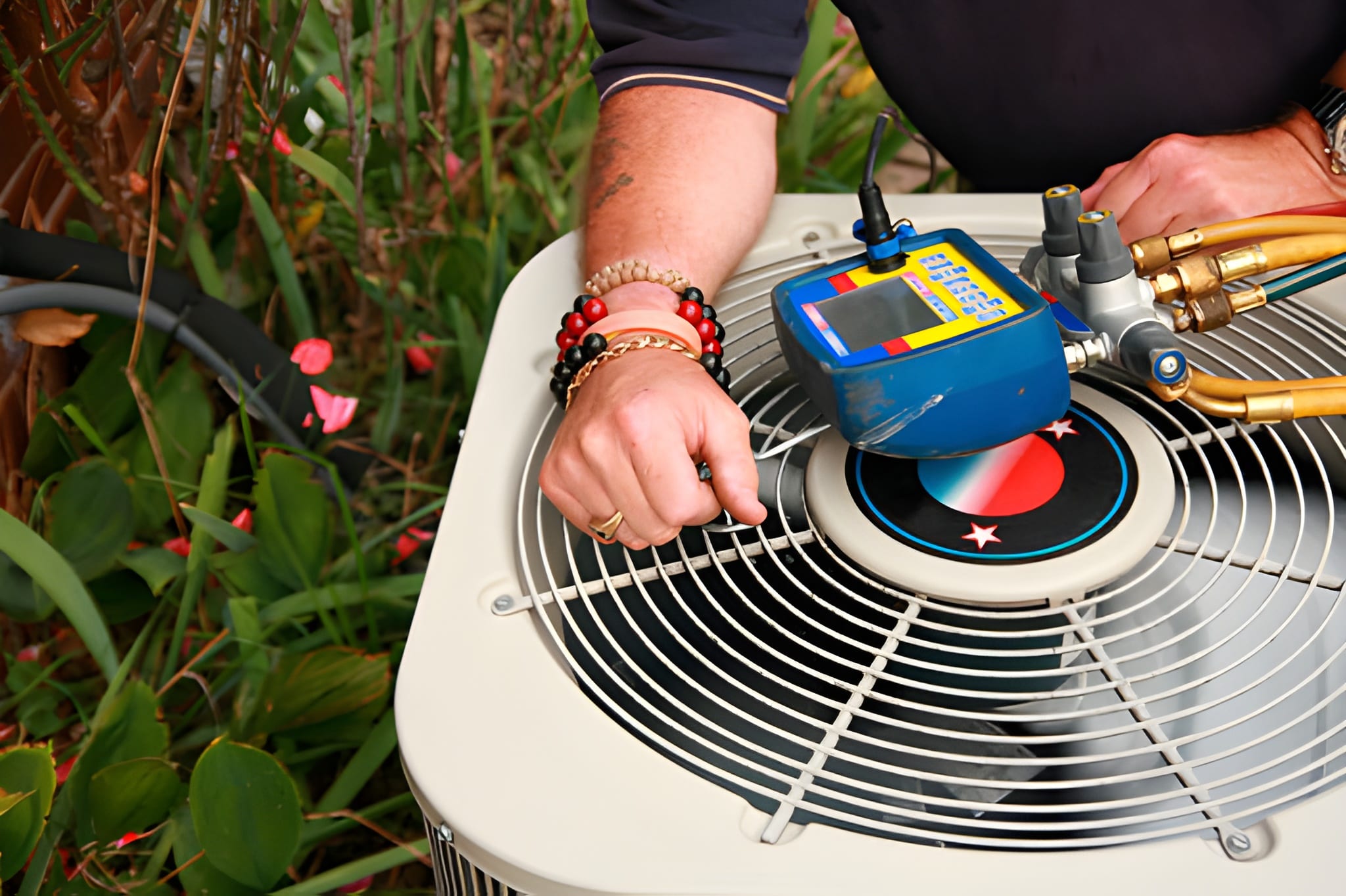
HVAC Tune-Up in Litchfield Park, AZ
A seasonal HVAC Tune-Up is one of the most effective, cost-conscious ways to keep your home comfortable and avoid emergency breakdowns in Litchfield Park, AZ. Homes here face intense summer heat, frequent dust and debris from the desert environment, and seasonal monsoon storms that can stress outdoor equipment. A professional Tune-Up addresses those specific challenges by restoring system efficiency, verifying safety, and catching small problems before they become costly failures.
Common HVAC issues in Litchfield Park, AZ homes
- Reduced cooling capacity during peak summer heat due to dirty coils or low refrigerant.
- Clogged air filters and coils from persistent desert dust, reducing airflow and increasing run times.
- Electrical wear or corroded connections accelerated by heat and dust exposure.
- Clogged condensate drains after monsoon-related humidity events, risking water damage or system shutdown.
- Worn belts, motors, and bearings from long seasonal runtimes.
- Thermostat calibration drift causing uneven temperatures and overcooling.
Understanding these local patterns helps prioritize the inspection and fixes that matter most in this region.
What a typical HVAC Tune-Up includes
A thorough Tune-Up combines inspection, cleaning, adjustments, and testing. A complete checklist usually covers:
- Thermostat calibration and controls
- Confirm thermostat set points, cycling behavior, and accuracy.
- Verify programmable or smart thermostat schedules are functioning.
- Electrical safety checks
- Inspect and tighten electrical connections at the outdoor and indoor units.
- Test capacitors, contactors, breakers, and safety switches for proper operation.
- Airflow inspection and filter service
- Check filters and replace or recommend replacement frequency based on household needs.
- Measure airflow across the evaporator coil and check duct connections for obvious leaks.
- Refrigerant verification
- Measure refrigerant pressures and temperatures to confirm proper charge.
- Look for signs of leaks (oil residue, frost patterns) and discuss next steps if a leak is suspected.
- Condenser and evaporator coil cleaning
- Remove dust and debris from the outdoor unit and clean evaporator coil if accessible to restore heat exchange efficiency.
- Belt, pulley, and motor inspection
- Inspect belts for wear and correct tension.
- Lubricate motors and bearings where applicable and test blower motor operation.
- Condensate drain and pan check
- Clear drain lines, inspect the condensate pan, and confirm proper drainage to avoid backups.
- Safety and performance tests
- Start and run the system through a full cycle, verify temperature split between supply and return air, and check for unusual noises or vibrations.
Diagnostic process and time expectations
Most single-zone residential Tune-Ups are completed in a focused, methodical visit. Typical in-home timeframes:
- Standard split-system Tune-Up: approximately 60 to 90 minutes.
- More complex systems or systems needing extensive cleaning, refrigerant service, or multi-zone inspections may take longer.
During the visit, the technician documents findings, explains any identified issues in simple terms, and provides prioritized recommendations: immediate repairs for safety or performance, short-term fixes to prevent failure, and long-term replacement considerations.
Common repairs found and solutions
- Low refrigerant: Requires leak detection and repair by a certified technician, followed by a recharge. Refrigerant handling must meet regulatory standards.
- Dirty coils or filters: Cleaning coils and replacing filters often restores major cooling capacity and reduces runtime.
- Electrical component wear: Replacing capacitors or contactors prevents sudden motor failures and reduces risk of electrical hazards.
- Clogged condensate drain: Clearing or treating the drain prevents water damage and microbial growth.
- Worn belts or bearings: Replacing belts and lubricating motors restores smooth operation and can reduce energy waste.
Technicians will distinguish between repair (fix part) and replacement (end-of-life component) based on age, efficiency impact, and long-term value.
Seasonal timing recommendations for Litchfield Park
- Spring (before the summer heat): This is the most critical time to Tune-Up cooling equipment. Ensuring peak performance before temperatures soar reduces cooling costs and prevents mid-summer breakdowns.
- Early fall (after peak summer/end of monsoon): A post-summer check helps catch monsoon-related issues like clogged drains or accumulated debris and prepares systems for milder seasons.
- Regular mid-season checks: In dusty or high-use situations, more frequent filter changes and spot-checks during the summer may be warranted.
Because Litchfield Park sees high cooling demand and dusty conditions, scheduling at least one pre-summer Tune-Up is strongly recommended. Homes with older systems or high occupancy may benefit from biannual checks.
How Tune-Ups improve efficiency and prevent breakdowns
- Restored heat transfer from clean coils reduces compressor run-time and energy consumption.
- Proper refrigerant charge and airflow optimize cooling output and reduce compressor strain.
- Tightened electrical connections and replaced wear parts lower the risk of sudden failures and fire hazards.
- Clearing drains and cleaning components prevents water damage, microbial growth, and related system shutdowns.
- Well-calibrated controls and thermostats reduce unnecessary cycling and maintain steady comfort.
In practical terms, a routine Tune-Up prevents the majority of emergency cooling failures and prolongs equipment life by addressing the incremental stresses unique to Arizona’s climate.
Homeowner maintenance tips between Tune-Ups
- Change or clean filters regularly — often every 1 to 3 months in dusty conditions.
- Keep at least a 2-foot clearance around the outdoor unit and gently remove debris after high winds or storms.
- Run a visual check of the condensate drain pan after heavy use; look for standing water or discoloration.
- Use a programmable thermostat and avoid unnecessary setpoint changes that force extra cycling.
- Schedule inspections before the hottest months each year and after severe weather events.
Customer Testimonials
Our customers consistently praise our exceptional service and quality products. Their feedback highlights our commitment to excellence and customer satisfaction.
