


HVAC Tune-Up in Paradise Valley, AZ
HVAC Tune-Up in Paradise Valley, AZ boosts efficiency, prevents breakdowns, and extends equipment life. Learn more about scheduling today.
When Arizona TradeMasters performs an HVAC Tune-Up in Paradise Valley, AZ, we provide a comprehensive inspection, performance testing, and crucial safety checks. Our goal is to significantly improve your system's efficiency, extend its lifespan, and help you save on energy bills. This vital service includes detailed diagnostics, refrigerant checks, airflow assessment, thermostat calibration, coil cleaning, and thorough documentation with prioritized maintenance recommendations. We believe you should understand how routine maintenance reduces mid-season breakdowns, boosts your comfort, and protects your home investment. A typical Tune-Up for a single split system usually takes 60 to 90 minutes, with longer times for larger or more complex setups.
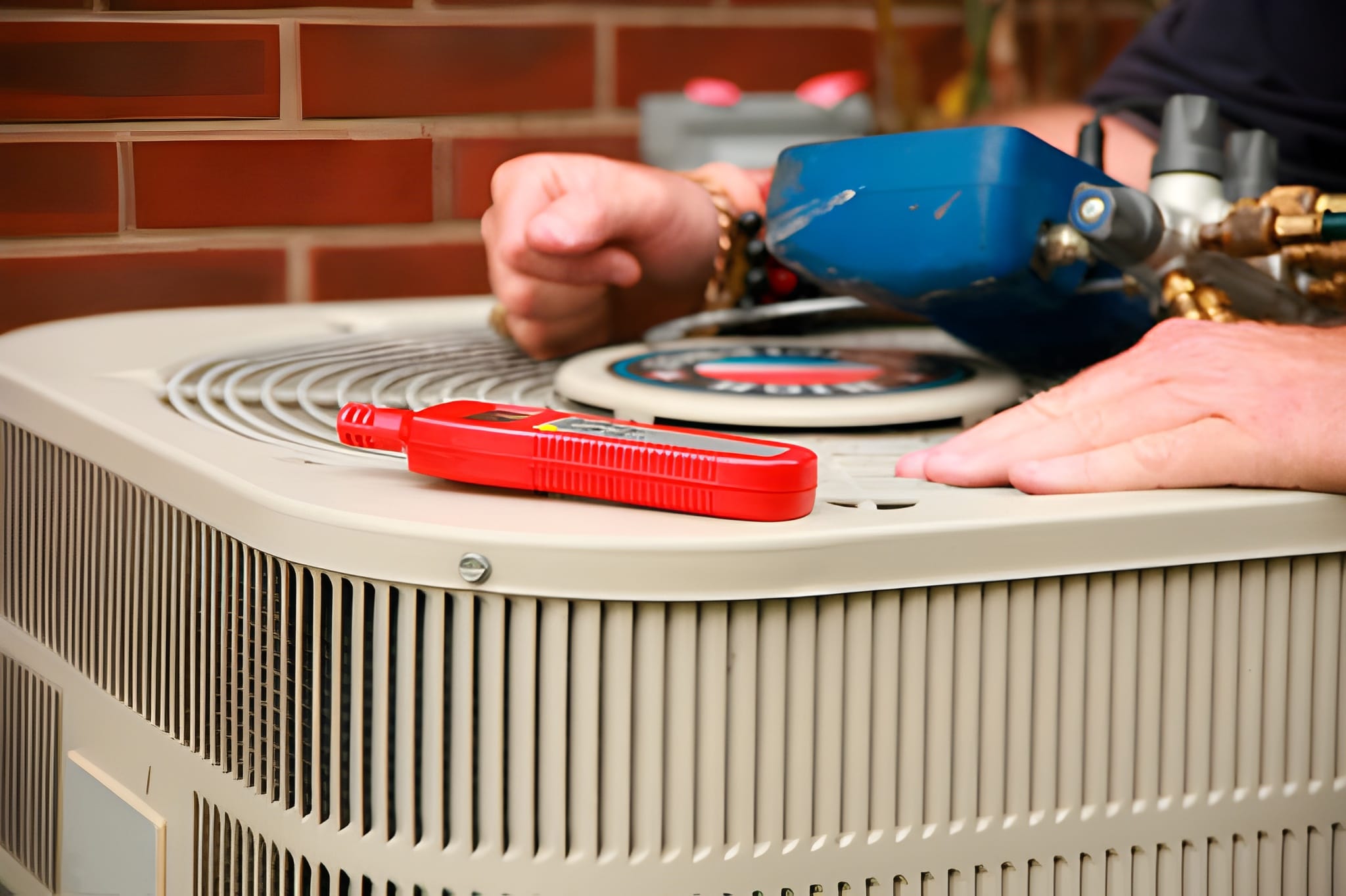
HVAC Tune-Up in Paradise Valley, AZ
Keeping your HVAC system running reliably through Paradise Valley’s long, hot summers and dusty monsoon season starts with a professional HVAC Tune-Up. A thorough Tune-Up improves cooling performance, lowers energy use, prevents mid-season breakdowns, and extends equipment life. In Paradise Valley, AZ homes where air conditioners work hardest, a seasonal Tune-Up is one of the most cost-effective ways to protect comfort and avoid emergency repairs.
Why a Tune-Up matters in Paradise Valley, AZ
- Summer peak loads: High daytime temperatures put continuous strain on compressors and fans. Small issues left unchecked become major failures when systems run non-stop.
- Dust and debris: Desert dust, pollen, and grit from monsoon storms accumulate in coils, filters, and condensate lines, reducing airflow and efficiency.
- Humidity swings: Monsoon humidity can hide refrigerant leaks and increase corrosion risk in drain systems and electrical components.
- Aging systems: Many homes in the area have older equipment that benefits significantly from routine calibration and safety checks.
Common HVAC Tune-Up issues in Paradise Valley, AZ
- Reduced cooling capacity or long run cycles
- High energy bills despite normal thermostat settings
- Frequent short-cycling or constant running
- Weak airflow from vents or hot/cold spots in the home
- Strange noises (rattling, humming, or hissing)
- Water around the indoor unit or clogged condensate drains
- Thermostat misreadings or poor responsiveness
What a professional Tune-Up includes
A full residential HVAC Tune-Up addresses performance, safety, and reliability. Typical elements include:
- Visual inspection and system history review
- Check for obvious damage, rust, or signs of previous repairs
- Review recent service history and homeowner observations
- Performance testing
- Measure temperature difference across the evaporator coil (delta T) to confirm proper cooling performance
- Check operating pressures and system cycling behavior
- Verify electrical load on compressors and fans to detect failing motors or capacitors
- Airflow and filter inspection
- Inspect and measure blower performance and static pressure
- Recommend or replace filters (if included in the service scope) and verify supply/return vents are unobstructed
- Refrigerant checks
- Check refrigerant pressure and levels for proper charge
- Inspect for visual signs of leaks; note that repair is needed for leak resolution before charging if a leak is present
- Thermostat calibration
- Verify thermostat accuracy and recalibrate if temperature readings are off
- Confirm correct control settings for system stages and fan operation
- Cleaning and minor adjustments
- Clean outdoor condenser fins and straighten bent fins where necessary
- Clean evaporator and condenser coils as needed to restore heat transfer
- Tighten electrical connections, lubricate motors where applicable, and adjust belts or pulleys
- Safety inspections
- Check electrical components, fuses, and breakers for signs of overheating
- Inspect gas furnace controls and venting for safe operation (if applicable)
- Test condensate drain operation to prevent water damage and microbial growth
- Documentation and recommendations
- Provide a clear summary of findings, prioritized repairs, and maintenance suggestions for the homeowner
How diagnostics are performed (plain language)
Technicians start by running the system while checking temperatures and listening for abnormal sounds. They measure how much cooler the air is when it leaves the vents compared with return air to gauge cooling effectiveness. The outdoor unit is checked for proper refrigerant pressure and clean coils; weak pressures or clogged coils point to efficiency loss. Electrical tests reveal worn capacitors or loose wiring that could cause failures. Thermostat checks ensure the control matches actual room temperature so your system cycles correctly.
Typical duration
- Most residential HVAC Tune-Ups for a single split system take approximately 60 to 90 minutes.
- Larger homes, multi-stage systems, heat pumps, or systems with significant cleaning needs may require 2 hours or more.
- This duration allows time for careful testing, coil cleaning, and documentation of findings.
Repairs and solutions commonly performed after a Tune-Up
- Coil cleaning and clearing debris around the outdoor unit to restore airflow
- Replacing or tightening electrical components like capacitors and contactors
- Clearing condensate trap and drain lines to stop water leaks
- Rebalancing or repairing blower motors and fan assemblies to improve airflow
- Thermostat recalibration or replacement when controls are inconsistent
- Refrigerant leak detection followed by repair; refrigerant recharge only after leak is fixed
- Replacing worn belts, filters, and other consumables to restore efficiency
Safety and compliance considerations
Safety checks are essential. Technicians verify that electrical connections are secure and that gas furnaces vent correctly to prevent carbon monoxide hazards. Refrigerant handling follows environmental guidelines; any leak must be located and repaired rather than simply topping off the charge. Proper documentation after the Tune-Up helps maintain warranty compliance for newer systems.
What homeowners in Paradise Valley can do between Tune-Ups
- Replace or clean HVAC filters every 1 to 3 months depending on usage and filter type.
- Keep a 2-foot clearance around the outdoor unit and remove dust, leaves, and grass clippings after monsoons.
- Close blinds or use window coverings during peak afternoon sun to reduce cooling load.
- Inspect visible ductwork and vents for blockages; keep supply and return vents unobstructed.
- Monitor for unusual sounds, higher-than-normal energy bills, or uneven temperatures and schedule service if these appear.
- Set thermostat to sensible ranges and use programmable features to avoid overworking the system during peak heat.
When to schedule your Tune-Up
For cooling-dominated climates like Paradise Valley, schedule Tune-Ups in spring before the hottest months. After a monsoon or extended heavy use, a follow-up inspection can catch issues caused by dust or moisture. Annual professional maintenance is the industry standard to maintain efficiency and prevent costly mid-season failures.
A properly executed HVAC Tune-Up in Paradise Valley, AZ reduces the risk of unexpected breakdowns, improves comfort during the long cooling season, and protects your system’s lifespan. Regular maintenance is especially important in this desert environment where dust, heat, and seasonal storms create unique stresses on HVAC equipment.
Customer Testimonials
Our customers consistently praise our exceptional service and quality products. Their feedback highlights our commitment to excellence and customer satisfaction.
