


Whole House Dehumidification in Chandler, AZ
Professional whole-home dehumidification installation in Chandler, AZ reduces mold growth, improves comfort, and protects built-in materials. Learn more.
For Chandler, AZ homeowners, whole-house dehumidification offers truly effective moisture control. By integrating a dedicated dehumidifier with your existing HVAC system, we can maintain your home's relative humidity within a healthy, comfortable range, significantly cutting down on mold, dust mites, and that uncomfortable sticky feeling. We'll show you exactly how these systems are expertly installed at your air handler, how they efficiently remove moisture, and what key components are involved with typical setpoints targeting a comfortable 40-50% RH. At Arizona TradeMasters, we provide clear sizing guidelines based on your home's unique needs, detail the installation process, explain the energy efficiency benefits, discuss maintenance, warranties, and highlight the lasting value of improved indoor air quality and protected building materials for your Chandler home.
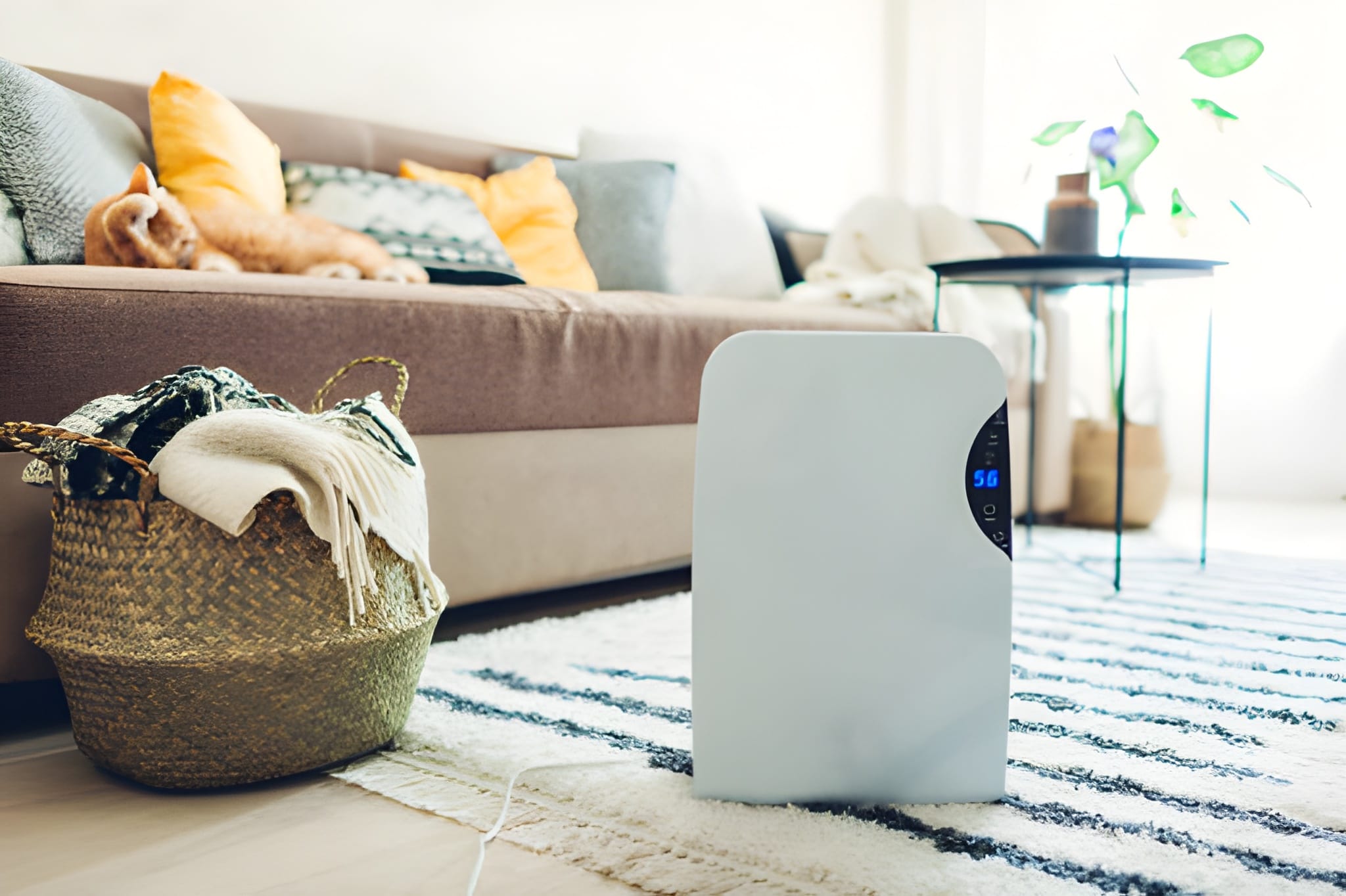
Whole House Dehumidification in Chandler, AZ
Whole house dehumidification in Chandler, AZ is an effective way to control indoor moisture, reduce mold and dust-mite growth, and improve year-round comfort in Valley homes. With hot summers, monsoon humidity spikes, and tightly sealed new construction, many Chandler homeowners notice sticky indoor air, musty odors, or extra strain on their air conditioning. A properly sized whole-home dehumidifier integrated with your HVAC system addresses latent load directly, keeping relative humidity in a healthy range without overcooling your living spaces.
Why humidity control matters in Chandler homes
- Hot summer heat combined with monsoon humidity can push indoor relative humidity above recommended levels, causing condensation in attics, crawlspaces, and on windows.
- Elevated humidity supports mold, mildew, and dust-mite populations that worsen indoor air quality and allergens.
- High latent loads make air conditioners work harder, increasing cycle times and wear while failing to deliver comfortable humidity levels.
- Too-low humidity in the cool season can cause dry skin and static; balanced control keeps comfort consistent year-round.
Common whole-house dehumidification issues seen locally
- Persistent indoor stickiness even when thermostat indicates comfortable temperature
- Musty odors from closets, attics, or garages
- Condensation on windows or inside exterior walls during monsoon season
- Frequent short-cycling of the HVAC system due to latent load
- Crawlspace or slab-edge dampness from irrigation or pool evaporation
How whole-home dehumidifiers work with HVAC systems
Whole-home dehumidifiers typically install at the air handler or inline in the return/ductwork and remove moisture from the airstream that passes through the HVAC system. Most systems use refrigerant-based (compressor) technology to condense water onto coils and collect it in a drain or condensate pump. Key components:
- Humidistat or integrated control to maintain a set relative humidity
- Dehumidifier cabinet with coils and drain connection
- Bypass or duct-tap to route enough airflow over the dehumidifier for effective performance
- Condensate drain or pump for removal of collected water
Proper integration allows the dehumidifier to operate independently of cooling cycles or in coordination with variable-speed air handlers for efficient moisture control.
Proper humidity setpoints for Chandler, AZ
- Recommended indoor relative humidity: 40 to 50 percent during most of the year. In monsoon periods, aim for the lower end of that range to prevent condensation and mold.
- Avoid setting humidity below 30 percent to reduce dryness and static.
- Use a calibrated humidistat or smart controller to avoid overcorrection.
Sizing and system selection guidelines
Sizing is based on home square footage, airtightness, typical moisture sources (pools, irrigation, number of occupants), and local climate:
- Small homes or apartments (up to ~1,200 sq ft): 30 to 50 pints/day
- Medium homes (1,200 to 2,500 sq ft): 50 to 90 pints/day
- Large homes (2,500+ sq ft) or homes with pools/extra moisture: 90 to 140+ pints/day
Factors that affect selection:
- Whether the home has an existing air handler capacity to support added airflow
- Ductwork layout and static pressure
- Desired runtime and redundancy
- Preference for standalone ducted unit versus integrated units with heat recovery or energy-saving features
Refrigerant-based whole-home units are generally the best match for Chandler’s warm climate. Desiccant systems are more common in cool climates or specialized industrial applications.
Installation process and control options
Typical installation steps:
- Assessment and load review including moisture sources, HVAC capacity, and duct layout
- Sizing and equipment selection based on the assessment
- Ductwork modifications to tap the return or add bypass sections if needed
- Electrical connection and circuit sizing to manufacturer specs
- Condensate drain or pump installation to a suitable drain point or to the outside
- Commissioning: test humidistat, verify airflow, and measure post-install humidity performance
Control options:
- Standalone humidistat mounted near living spaces
- Integration with compatible thermostats for coordinated operation
- Dedicated smart dehumidifier controllers offering schedules, remote monitoring, and humidity graphs
- Zoning-compatible setups for multi-level homes
Benefits: comfort, health, and building protection
- Reduces mold and mildew risk in attics, closets, and behind cabinets
- Lowers dust-mite populations and related allergy triggers
- Improves perceived comfort without excessive overcooling
- Can reduce HVAC runtime by removing latent load so the cooling system focuses on sensible load
- Protects finishes, wood floors, and electronics from moisture-related damage
Energy usage and efficiency considerations
- Whole-home dehumidifiers consume electrical energy but can increase overall system efficiency by reducing the air conditioner’s latent cooling burden.
- Look for units with energy-saving features: variable-speed compressors, integrated controls that coordinate with the air handler, and high-efficiency coils.
- Proper sizing is crucial: an oversized unit will short-cycle and waste energy, while an undersized unit will run continuously and fail to meet humidity goals.
Maintenance and seasonal recommendations
- Monthly: inspect and clean or replace the dehumidifier filter if present; verify drain is flowing.
- Quarterly: check condensate lines and pumps for clogging; inspect electrical connections for visible wear.
- Annually: professional inspection before monsoon season to verify coils, controls, and overall performance.
- Seasonal adjustments: increase dehumidification setpoint during monsoon months, and reduce or pause during the coolest, driest winter periods to avoid over-drying.
Cost estimates and warranties
- Typical installed system cost in Chandler varies with capacity, integration complexity, and ductwork needs. Typical ranges are:
- Basic small-system installations: approximately $1,200 to $2,500
- Mid-range integrated systems: approximately $2,500 to $4,500
- High-capacity or complex installations (multi-zone, added ductwork): approximately $4,500 to $8,000+
- Final cost depends on unit capacity (pints/day), electrical upgrades, condensate pump requirements, and duct modifications.
- Warranties commonly include 1 to 5 years on parts and 5 to 10 years on compressors for many manufacturers. Extended warranties or service plans are often available and vary by manufacturer and installer.
Long-term value for Chandler homeowners
Investing in whole house dehumidification in Chandler delivers measurable improvements in indoor air quality, occupant comfort, and protection of building materials against moisture-related damage. When sized and installed properly, dehumidification complements your existing HVAC system, reduces allergy triggers, and stabilizes indoor conditions through Chandler’s hot summers and humid monsoon periods. Regular maintenance and a correctly set humidistat will keep the system efficient and extend equipment life.
Customer Testimonials
Our customers consistently praise our exceptional service and quality products. Their feedback highlights our commitment to excellence and customer satisfaction.
