


Whole House Dehumidification in Goodyear, AZ
Goodyear AZ whole-house dehumidification: learn sizing, installation, and maintenance to protect your home and HVAC efficiency. Learn more today
Wondering how to keep your Goodyear, AZ home feeling fresh and dry? Whole-house dehumidification systems are designed to master indoor humidity, significantly reducing mold risk and boosting your comfort, all while helping your air conditioning run more efficiently. We at Arizona TradeMasters understand the unique humidity challenges Goodyear faces, and we'll show you the various system types whether HVAC-integrated or standalone along with proper sizing, professional installation steps, efficient drainage, and essential routine maintenance. We truly believe in hitting ideal humidity targets, exploring energy efficiency considerations, and creating practical maintenance plans that prevent frustrating failures during peak seasons. With Arizona TradeMasters, you can count on proper selection, expert installation, and ongoing service to ensure reliable performance and healthier, more comfortable living spaces year-round.
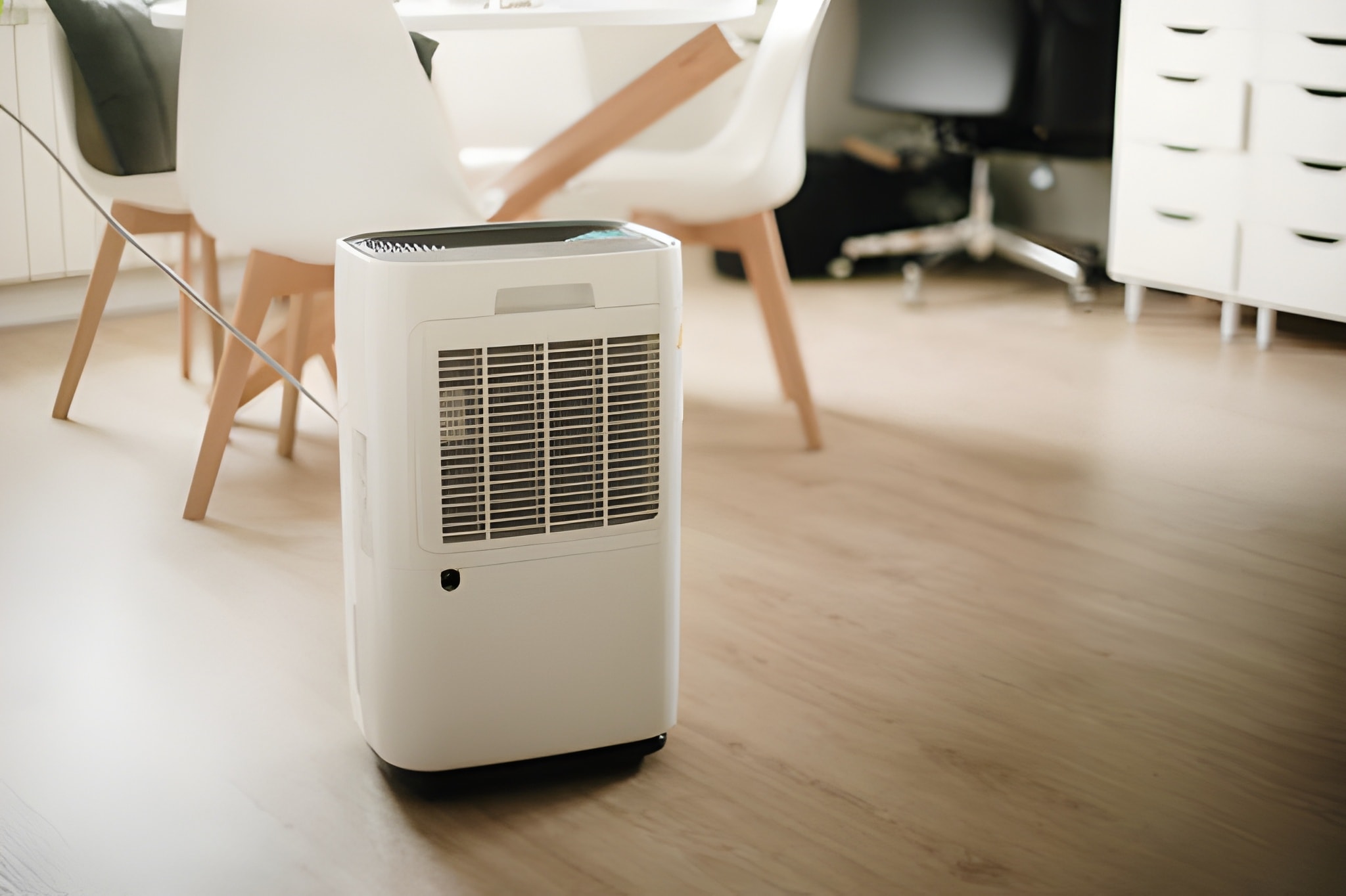
Whole House Dehumidification in Goodyear, AZ
Excess indoor humidity affects comfort, indoor air quality, and building durability even in desert climates like Goodyear, AZ. Whole house dehumidification provides controlled humidity across your entire home, reducing mold and mildew risk, protecting wood, electronics, and finishes, and improving the effectiveness of air conditioning systems.
Why whole house dehumidification matters in Goodyear, AZ
Goodyear’s climate is predominantly hot and dry, but seasonal factors create humidity challenges:
- Summer monsoons and occasional humid Pacific or Gulf moisture can push outdoor humidity higher for days or weeks.
- Irrigated landscaping, pools, fountains, and indoor activities (cooking, showers, laundry) add indoor moisture.
- Tight, energy-efficient building envelopes and continuous AC operation can trap moisture in crawlspaces or wall cavities if not managed.
- Uncontrolled humidity promotes mold and mildew, accelerates corrosion, warps wood, and reduces perceived comfort. A whole-home dehumidifier stabilizes indoor relative humidity (RH) so your living spaces stay healthier and more comfortable without overworking your air conditioner.
Common whole house dehumidification issues in Goodyear, AZ
- Mold or mildew in bathrooms, closets, attics, or behind cabinets after monsoon events
- Musty odors that persist despite regular cleaning
- Condensation on windows or metal framing during early monsoon mornings
- High allergy symptoms tied to dust mites and mold growth
- Overworked AC systems that cool but fail to reduce humidity adequately
Types of whole-house systems: HVAC-integrated vs standalone
- HVAC-integrated (ducted) whole-home dehumidifiers
- Installed directly into the home’s HVAC ductwork.
- Work in tandem with the air handler to remove moisture while distributing dehumidified air throughout the home.
- Often more energy-efficient in hot climates because they leverage existing airflow and refrigerant circuits.
- Good for homes with existing central HVAC and adequate ductwork.
- Standalone whole-house dehumidifiers
- Larger floor or closet-mounted units sized to serve the entire house.
- Ideal when ductwork is limited or for zoned systems.
- Can offer greater flexibility for retrofits and homes with unusual layouts.
- Choosing between the two depends on your HVAC configuration, duct design, aesthetic preferences, and how you plan to manage drainage and controls.
Humidity load calculations and proper sizing
Proper sizing is crucial. Undersized units will run continuously and struggle to control moisture; oversized units can short-cycle, wasting energy and reducing efficiency. A correct humidity load calculation considers:
- Home square footage and ceiling height
- Building envelope tightness and insulation
- Number of occupants and typical activities (cooking, indoor laundry use)
- Pools, spas, fountains, and irrigation practices
- Local climate patterns—Goodyear’s seasonal humidity spikes
Technically, dehumidifiers are rated by pints of moisture removed per day. Whole-home systems commonly range from roughly 50 to 150+ pints per day depending on home size and moisture sources. A professional assessment measures infiltration and internal moisture generation to recommend the right capacity and placement.
Installation process (what to expect)
- Initial assessment: inspection of HVAC system, ductwork, moisture sources, and planned drain route.
- Load calculation and equipment selection: sizing the dehumidifier and selecting controls compatible with your thermostat or dedicated humidistat.
- Mechanical installation: mounting the unit (in the duct, utility closet, or mechanical room), integrating with the HVAC blower if applicable, and connecting electrical and control wiring.
- Drainage connection: routing condensate to floor drain, condensate pump, or existing plumbing (see drainage section below).
- Commissioning: calibrating controls, setting target RH, verifying airflow, and testing drainage and safety features.
- A careful installation minimizes noise, ensures consistent performance, and protects appliances and indoor air quality.
Energy-efficiency considerations
- Look for high-efficiency models and components; integrated systems often offset energy use by working with your central air handler.
- Seasonal Energy Efficiency Rating (SEER) and Energy Factor (EF) for dehumidifiers matter—higher values mean less energy per pint removed.
- Proper control strategy reduces runtime: use a programmable humidistat or integrated controller to maintain target RH only when needed.
- Regular maintenance (filters, coils, condensate pathways) preserves efficiency over time.
Maintenance and drainage requirements
- Drainage: Whole-home units collect condensate that must go to a gravity drain or condensate pump to a safe disposal point. Gravity drainage is simplest; pumps are used where drains are above the unit.
- Filters: Clean or replace air filters monthly to every three months depending on use and indoor dust levels.
- Coils and pans: Annual inspection and cleaning prevents microbial growth and maintains heat-exchange efficiency.
- Controls: Check and recalibrate humidistats annually to ensure target RH is accurate.
- Safety features: Confirm condensate overflow switches and pump operation on regular service visits.
- Routine maintenance preserves performance, extends equipment life, and keeps energy use lower.
Recommended target humidity levels for Goodyear homes
General guidance:
- Aim for 30 to 50 percent relative humidity for overall comfort and mold control.
- In Arizona’s hot season, a target of about 40 to 45 percent often balances comfort and energy use without creating excessive dryness.
- In cooler months, maintain the lower end (around 30 to 40 percent) to avoid condensation on windows and reduce mold risk.
- Adjust targets based on occupant comfort, presence of sensitive belongings (musical instruments, wood floors), and any specific health considerations.
Service and maintenance plans (what they typically include)
Service plans for whole-house dehumidification commonly bundle:
- Annual or biannual inspections and Tune-Ups (filters, coils, electrical checks)
- Humidistat calibration and control checks
- Condensate line and pump inspection/cleaning
- Priority scheduling for repair visits and parts availability
- Warranty coordination and performance verification after major HVAC work
- These plans help prevent failures during peak humid periods, maintain efficiency, and protect indoor air quality across seasons.
Customer Testimonials
Our customers consistently praise our exceptional service and quality products. Their feedback highlights our commitment to excellence and customer satisfaction.
