


Mini Split Repair in Gilbert, AZ
Mini Split repair service in Gilbert, AZ. Quick diagnostics, reliable repairs, and same-day options. Learn more about keeping your system cool today.
At Arizona TradeMasters, we approach Mini Split repair in Gilbert, AZ with a comprehensive overview of diagnostic steps, common fault categories, and practical repair approaches. We outline typical timelines, warranty considerations, and emergency or same-day service options. We also emphasize proactive maintenance to prevent future breakdowns, including checking filters, coil cleanliness, drainage, and surge protection. By detailing components such as compressors, fans, refrigerant leaks, and control boards, we help homeowners understand exactly what to expect and how to plan for truly reliable cooling.
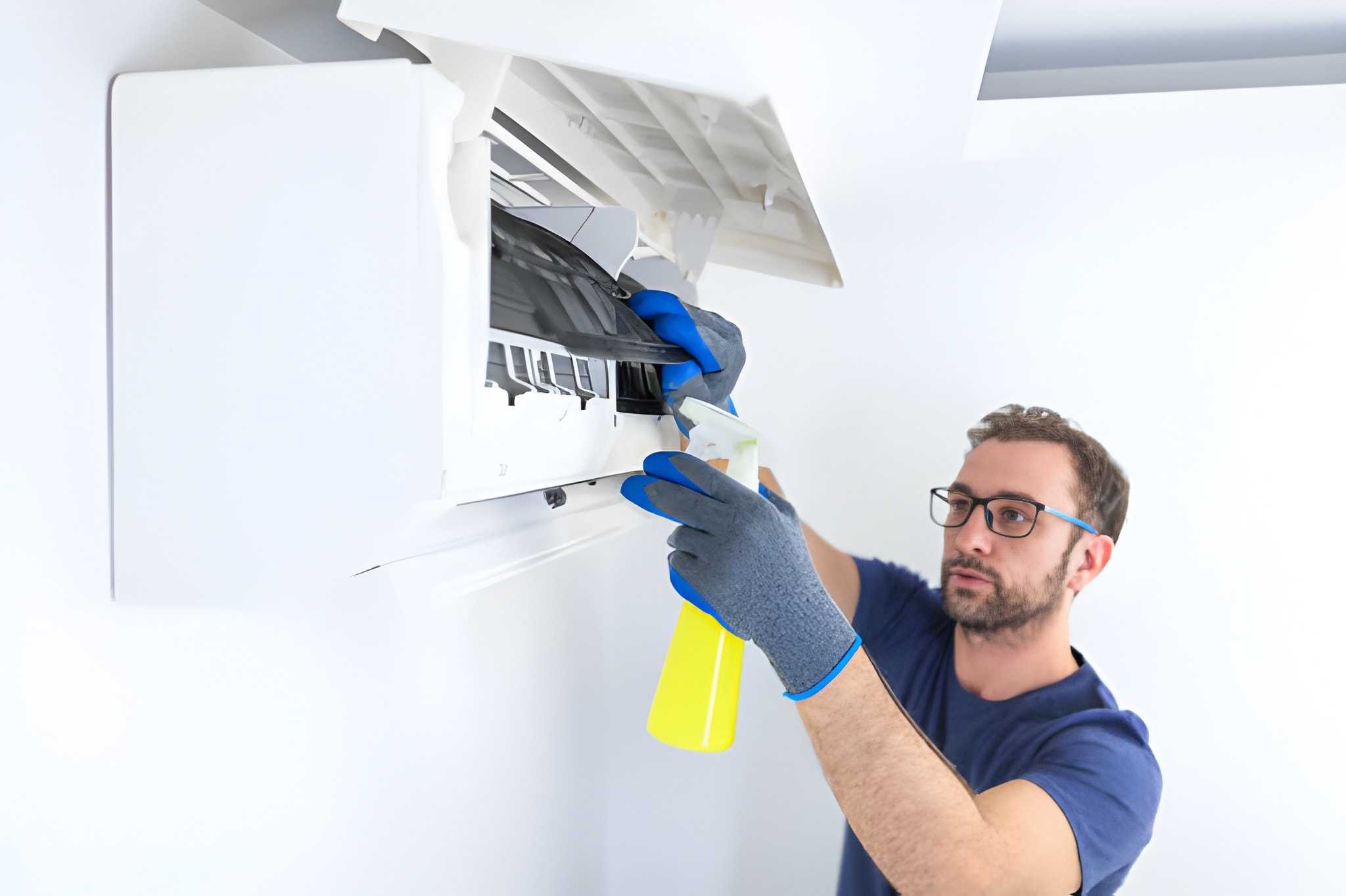
Mini Split Repair in Gilbert, AZ
In Gilbert, AZ, a functioning ductless Mini Split isn't a luxury—it's an absolute necessity. Those long, hot summers, combined with seasonal dust and intense monsoon storms, put extreme strain on your cooling system. When it falters, you need a fix that is fast, reliable, and addresses the real issues caused by our unique desert environment.
When your Mini Split struggles, you're looking for answers and solutions. We want you to feel confident about the service you receive from Arizona TradeMasters.
Why prompt Mini Split repair matters in Gilbert, AZ
Mini Splits run almost continuously through peak Gilbert summers. Delayed repairs permit further component damage, higher energy use, and uncomfortable indoor temperatures. Local conditions—intense heat, airborne dust, and occasional power surges during monsoon storms—accelerate wear on compressors, fans, and electronic controls. Addressing issues quickly preserves efficiency and comfort while preventing more expensive system replacements.
Common Mini Split issues in Gilbert, AZ
Most service calls fall into several predictable categories. Recognizing these helps set expectations for diagnostics and repairs.
- Compressor problems: Failed compressors, seizure from overheating, or internal electrical faults caused by high run-hours and voltage fluctuations.
- Fan motor failures: Indoor evaporator or outdoor condenser fans that stop, run intermittently, or make grinding noises due to bearings, debris, or moisture intrusion.
- Refrigerant leaks: Loss of cooling capacity, frosting on the indoor coil, and longer run times due to leaking line sets or brazed joints—dust and vibration in Gilbert can exacerbate seals.
- Control board and sensor issues: Error codes, communication failures between indoor and outdoor units, or false temperature readings caused by damaged PCBs, thermistors, or wiring exposed to heat and humidity.
- Drain and condensate problems: Clogged drain lines or pump failures that lead to water alarms or indoor leakage during heavy use and humidity spikes.
- Electrical supply issues: Blown fuses, tripped breakers, or improper voltage from grid fluctuations during storms.
Diagnostic process: what to expect
Diagnosing a Mini Split is a step-by-step process that isolates electrical, mechanical, and refrigerant problems. Typical diagnostic steps include:
- Visual inspection: Check for physical damage, debris buildup, wiring burns, and rodent or insect intrusion around indoor and outdoor units.
- System start-up check: Observe how the unit starts, listen for unusual noises, and read any displayed error codes.
- Electrical testing: Measure voltage and amp draw at the compressor and fan motors to detect electrical faults, weak capacitors, or poor connections.
- Refrigerant and pressure checks: Use gauges and leak detection tools to verify refrigerant levels and locate leaks.
- Airflow and coil inspection: Confirm blower operation, filter condition, and cleanliness of evaporator and condenser coils.
- Control and sensor verification: Test thermostats, remote controls, communication cables, and sensors for correct readings and signals.
Technicians typically document findings and provide a clear explanation of required repair steps and parts needed.
Typical repair procedures and parts replacement
Repairs are tailored to the diagnosed faults. Common procedures include:
- Compressor replacement: Involves evacuating refrigerant, removing the old compressor, brazing new connections, vacuuming the system, and charging with the specified refrigerant. This is a complex repair requiring certified refrigerant handling.
- Fan motor replacement: Swap indoor or outdoor fan motors, replace worn bearings or mounts, and balance fans to reduce vibration.
- Refrigerant leak repair: Locate and repair the leak (brazing or replacing line segments), then evacuate and recharge the system to manufacturer specifications.
- Control board and sensor replacement: Replace faulty PCBs, thermistors, or remote receivers and reprogram or calibrate system controls.
- Capacitor and contactor replacement: Replace failing start/run capacitors and contactors that cause hard starting or intermittent operation.
- Drain line and condensate pump service: Clear clogs, flush drain lines, or replace condensate pumps to prevent water overflow.
Parts commonly replaced include compressors, inverter boards, fan motors, capacitors, expansion valves, sensors, condensate pumps, and line set insulation.
Estimated repair timelines
Repair timeframes vary by complexity and parts availability. Typical ranges:
- Simple electrical or sensor fixes: 1 to 4 hours.
- Fan motor or control board replacements: Half a day to a full day.
- Refrigerant leak repair and recharge: Several hours to a full day, depending on leak location.
- Compressor replacement or major system rebuilds: 1 to 3 days, accounting for evacuation, brazing, and thorough testing.
- Multi-zone or legacy systems: Additional time may be required to source specific parts or coordinate multi-unit repairs.
Seasonal demand (pre-summer and mid-summer) and supply chain factors may extend timelines for less common parts.
Warranty and parts guarantees
Understanding warranties helps protect your investment. Typical industry practices include:
- Manufacturer warranties: Compressors often carry multi-year warranties (commonly 5 to 10 years depending on brand and model) while electronics and other parts commonly have shorter warranties (1 to 5 years). Always confirm the warranty specific to your unit by checking serial numbers and manufacturer documentation.
- Aftermarket and replacement part guarantees: Replacement parts may come with a parts-only warranty ranging from months to a year. Installation workmanship may be covered separately; retaining service records is important for warranty claims.
- Documentation: Keep invoices, part numbers, and manufacturer warranty paperwork; some warranties require registration or installation by licensed technicians.
Emergency and same-day service options
For failed systems during extreme heat or in situations that pose a health risk, expedited service options are often available. Emergency responses focus on triage to restore cooling quickly—temporary measures might include isolating a faulty zone, replacing a failed capacitor or fan motor, or providing temporary refrigerant top-offs only when appropriate. Permanent repairs follow proper diagnostic and compliance procedures. Expect emergency visits to prioritize safety, stabilize the system, and schedule any complex repairs that require parts or additional equipment.
Maintenance tips to prevent future breakdowns in Gilbert
Preventive maintenance is the most effective way to reduce repair frequency and extend system life, especially in Gilbert’s climate.
- Schedule biannual Tune-Ups: Pre-summer and post-winter inspections to verify refrigerant, clean coils, and test electrical components.
- Change or clean filters regularly: During heavy-use months, check filters every 30 days and clean or replace as needed to maintain airflow and indoor air quality.
- Keep outdoor units clean and shaded: Remove dust and debris, trim plants for airflow, and provide shade where possible to lower condenser operating temperatures.
- Protect against monsoon and surge damage: Inspect seals, secure wiring, and consider surge protection to prevent storm-related electrical failures.
- Maintain proper line set insulation: Replace damaged insulation to avoid efficiency loss and condensation issues.
- Clear drain lines and pans: Flush condensate lines and confirm pump operation to prevent backups during high humidity periods.
- Monitor performance: Note longer run times, reduced cooling capacity, or unusual noises and address them early.
Regular maintenance tailored to Gilbert’s dust, heat, and seasonal storms reduces emergency repairs and keeps Mini Splits running efficiently year-round.
Customer Testimonials
Our customers consistently praise our exceptional service and quality products. Their feedback highlights our commitment to excellence and customer satisfaction.
