


Mini Split Service in Glendale, AZ
Mini Split Service in Glendale, AZ: keep your system efficient with preventive maintenance. Schedule today for lower bills and comfort.
Mini Split Service in Glendale, AZ
A properly maintained Mini Split system is your best friend for staying comfortable, keeping energy costs down, and avoiding those dreaded emergency repairs during Glendale heat waves. Here in Glendale, AZ, Mini Splits endure unique stresses from extreme summer temperatures, dust storms, and seasonal monsoon humidity. That's why regular service and preventative maintenance are absolutely essential to ensure your system runs efficiently and lasts for years. Arizona TradeMasters offers ongoing maintenance services for Mini Splits in Glendale, AZ. We can explain common local problems we encounter, detail our diagnostic and repair processes, and walk you through our various maintenance plans and priority scheduling options designed specifically for homeowners like you.
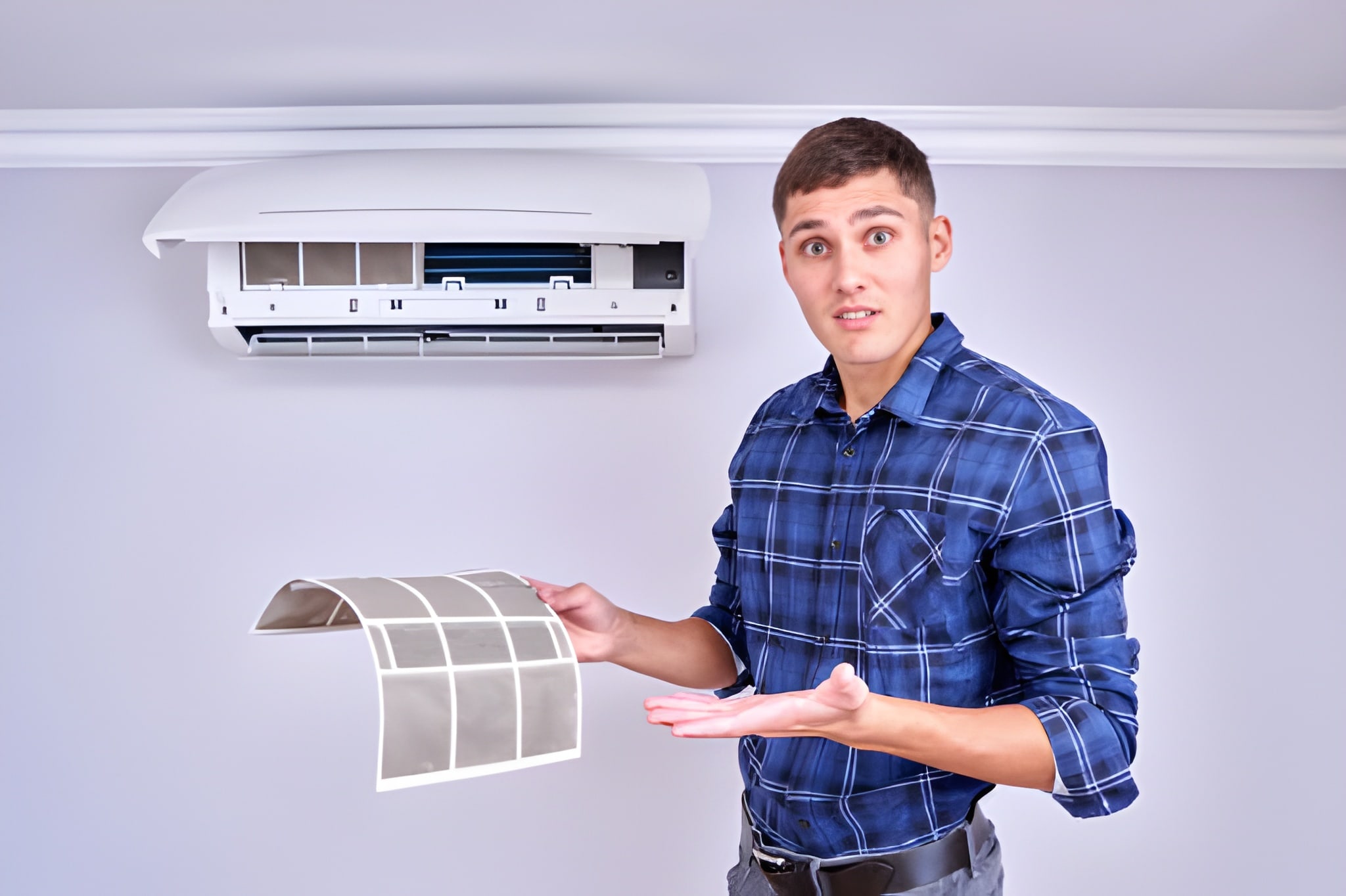
Why Mini Split maintenance matters in Glendale, AZ
Glendale’s hot, dry summers and frequent dust make systems work harder and more prone to airflow and contamination issues. The monsoon season increases humidity and the risk of clogged drain lines and mold growth. Without routine care, Mini Splits can suffer:
- Reduced cooling capacity and longer run times
- Higher energy bills
- Increased risk of refrigerant leaks and compressor failure
- Indoor air quality decline from dirty filters and coils
- Unplanned breakdowns during peak heat
Regular servicing addresses these risks before they become costly problems.
Common Mini Split issues in Glendale, AZ
Understanding frequent failure points helps prioritize maintenance tasks. Common Mini Split problems in Glendale include:
- Clogged filters and indoor coil buildup from dust and pollen
- Outdoor condenser coil fouling from dust, grit, and debris
- Refrigerant loss or slow leaks causing weak cooling
- Blocked condensate drain lines leading to water overflow or indoor humidity issues
- Electrical failures such as failing capacitors, contactor wear, or loose connections from thermal cycling
- Reduced efficiency from improper airflow or incorrect refrigerant charge
- Sensor and thermostat calibration drift affecting comfort
Seasonal Tune-Ups and routine service offerings
Seasonal Tune-Ups timed before peak cooling and after the monsoon are the backbone of reliable performance. Typical Tune-Up and service tasks include:
- System performance check: measure airflow, temperature split, and system pressures to verify cooling capacity
- Filter inspection and cleaning: clean or replace indoor filters; advise on high-efficiency replacement options
- Indoor coil cleaning: remove dust and debris that reduce heat transfer
- Outdoor coil cleaning: carefully remove caked-on dust and debris to restore condenser efficiency
- Refrigerant check and leak detection: check pressures and use electronic leak detectors or dye testing when needed
- Electrical and safety inspection: tighten connections, inspect capacitors and contactors, and test controls
- Condensate drain inspection and cleaning: clear traps and verify proper drainage to prevent overflow and mold
- Minor adjustments and calibrations: check thermostats, remote controls, and sensor alignment
- System documentation: record readings, service notes, and recommended follow-ups
Diagnostic process: what a technician will do
Diagnostics are methodical and noninvasive to find root causes quickly:
- Visual inspection of indoor and outdoor units for obvious damage or blockage.
- Operational check to observe system behavior, noise, cycling patterns, and temperature performance.
- Measure electrical parameters and compressor start current for signs of stress.
- Check refrigerant pressures and temperature split to determine charge condition.
- Use leak detection methods if refrigerant loss is suspected.
- Inspect and test drainage path to ensure condensate removal.
- Report findings, explain causes in plain language, and outline recommended repairs or maintenance steps.
Technicians will explain whether the issue requires immediate repair, a scheduled follow-up, or simple preventative action.
Refrigerant and leak checks explained simply
Refrigerant keeps the system cooling; low refrigerant means poor performance and higher run times. During service, technicians:
- Compare measured refrigerant pressures and temperatures to manufacturer targets
- Perform leak detection if pressures are low or if oil traces suggest leakage
- Advise on repairs if a leak is found, including safe recovery and recharge practices
Repairing leaks and restoring correct refrigerant charge improves capacity and reduces long-term compressor wear.
Preventative maintenance plans and service agreements
A maintenance plan turns one-off Tune-Ups into predictable care that preserves efficiency. Common plan features include:
- Scheduled seasonal Tune-Ups (spring and fall or before/after monsoon)
- Priority scheduling during peak cooling season
- Regular filter and coil cleanings at recommended intervals
- Annual refrigerant and electrical system checks
- A service history log for warranty and resale value
Service agreements are tailored for frequency and level of coverage, ensuring consistent performance and priority attention during Glendale’s hottest months.
Benefits of regular Mini Split servicing
Routine service delivers measurable, practical benefits:
- Improved energy efficiency and lower utility bills through clean coils and correct refrigerant charge
- Greater system reliability and fewer emergency repairs during heat events
- Longer equipment lifespan by reducing stress on compressors and motors
- Better indoor air quality for allergy and asthma concerns by keeping filters and coils clean
- Documentation and service history that help maintain manufacturer warranties and home resale value
Quick maintenance tips for Glendale homeowners
Small regular steps you can take between professional visits:
- Inspect and clean or replace indoor filters monthly during heavy use
- Keep at least 2 feet of clearance around indoor and outdoor units to promote airflow
- Gently rinse outdoor unit fins after a dust storm to remove surface grit once power is safely shut off
- Check the condensate drain for slow drainage or standing water after monsoon storms
- Note any new noises, odors, or uneven cooling and have them evaluated before peak heat
Customer Testimonials
Our customers consistently praise our exceptional service and quality products. Their feedback highlights our commitment to excellence and customer satisfaction.
