


Air Quality Testing in Litchfield Park, AZ
Air quality testing in Litchfield Park, AZ delivers objective data on pollutants, ventilation, and remediation options. Learn more about scheduling testing.
Air Quality Testing in Litchfield Park, AZ
Healthy indoor air is crucial for your comfort, productivity, and long-term well-being. Here in Litchfield Park, AZ, the unique desert conditions, seasonal monsoons, and occasional wildfire smoke mean that targeted air quality testing is a smart move for homeowners and businesses looking for clear answers about pollutants, how well their ventilation is working, and what needs fixing. Arizona TradeMasters provides comprehensive air quality testing, explaining exactly what you can expect from our assessments, detailing typical findings for this region, and outlining clear next steps to reduce exposure and improve your indoor environment.
Why air quality testing matters in Litchfield Park, AZ
Litchfield Park homes and businesses face a mix of local stressors that influence indoor air quality. Dry, dusty conditions increase particulate matter (PM2.5 and PM10). High summer temperatures accelerate off-gassing from building materials and household products, raising VOC levels. Monsoon season and irrigation can create pockets of elevated humidity, encouraging mold growth in poorly ventilated spaces. Nearby wildfires or regional smoke events can elevate fine particle concentrations for days to weeks. Testing provides objective data to prioritize interventions and verify that ventilation and filtration measures are working.
Types of assessments offered
- Indoor residential testing: Whole-home or targeted-room testing for common contaminants in single-family homes and multi-family units. Typical focus areas include bedrooms, living spaces, basements, attics, and HVAC systems.
- Commercial and institutional testing: Assessments for offices, schools, retail spaces, and medical offices that measure pollutants and ventilation effectiveness to support occupant health and regulatory compliance.
- Outdoor and comparative monitoring: Short-term or long-term outdoor sampling to establish baseline outdoor concentrations and determine the influence of outdoor air (traffic, dust, wildfire smoke) on indoor environments.
- Specialty testing: Focused investigations for suspected mold, radon, carbon monoxide leaks, or persistent odors and allergy triggers.
Pollutants commonly tested
- PM2.5 and PM10 (fine and coarse particulates) - critical during dust events and wildfire smoke episodes
- VOCs (volatile organic compounds) - from paints, solvents, adhesives, cleaning products, and new furnishings
- Mold and fungal spores - both airborne spore counts and surface sampling when moisture problems are suspected
- Radon - long-term or short-term radon measurements where geological risk exists or when mitigation verification is needed
- Carbon monoxide (CO) and carbon dioxide (CO2) - CO for combustion safety, CO2 as a proxy for ventilation adequacy
- Allergens - pollen, pet dander, dust mite indicators in homes with allergy complaints
Testing methodologies explained
- Real-time monitoring: Continuous instruments track particulates, CO2, temperature, and humidity to show fluctuations over hours and days. This method identifies peak exposure times and links pollutants to activities like cooking or HVAC operation.
- Short-term sampling: Active pumped samplers collect air for specific contaminants (VOCs, formaldehyde, PM) over periods of several hours to a few days to capture a snapshot for diagnostic purposes.
- Long-term sampling: Passive or active sampling over 7 to 90 days is used for radon or to understand chronic exposure to PM and VOCs.
- Laboratory analysis: Collected samples may be sent to accredited labs for compound-specific identification and quantification (for example, mold species, specific VOCs, or formaldehyde).
- Surface and bulk sampling: For mold investigations, surface tape lifts or bulk material samples can determine contamination extent and identify remediation targets.
Step-by-step process you can expect
- Site inspection and intake - A walkthrough to understand the building layout, occupant concerns, visible moisture or dust sources, and HVAC configuration.
- Sampling plan - A tailored plan that selects monitoring locations, instruments, and sampling durations based on the inspection and homeowner or facility priorities.
- Data collection - Deployment of monitors and samplers. For real-time work, technicians may leave monitors for 24-72 hours or longer to capture representative conditions.
- Laboratory analysis and QA - Samples requiring lab work are handled with chain-of-custody procedures and analyzed in accredited labs following accepted methods. Quality assurance and calibration records are maintained.
- Interpretation and reporting - Data are analyzed against health guidelines and local outdoor baselines. Reports include an executive summary, detailed findings, graphs of time-series data, and explanation of health relevance.
- Remediation recommendations and follow-up testing - Actionable guidance on source control, ventilation upgrades, filtration improvements, or specialized remediation, with options for verification testing after interventions.
Typical deliverables
- Detailed lab reports showing concentrations, detection limits, and comparison to reference values
- Health risk summaries written in plain language to explain immediate and long-term concerns for occupants
- Remediation recommendations prioritized by effectiveness and feasibility (source removal, HVAC upgrades, filtration, dehumidification, or targeted cleaning)
- Follow-up testing plan to confirm that recommended measures have reduced exposures and met target goals
Quality assurance and certifications to look for
Reliable testing follows standardized methods and is performed by trained technicians. Common quality indicators include use of calibrated instruments, adherence to EPA or industry methods, and laboratory analysis by ISO-accredited or NVLAP-recognized labs. Technicians with credentials from recognized organizations (for example, AIHA or equivalent training) and documented QA/QC procedures help ensure defensible results.
What remediation and ventilation improvements typically involve
- Source control - Removing or replacing high-emitting products, repairing water intrusion, and sealing building envelope leaks that admit dust or outdoor smoke.
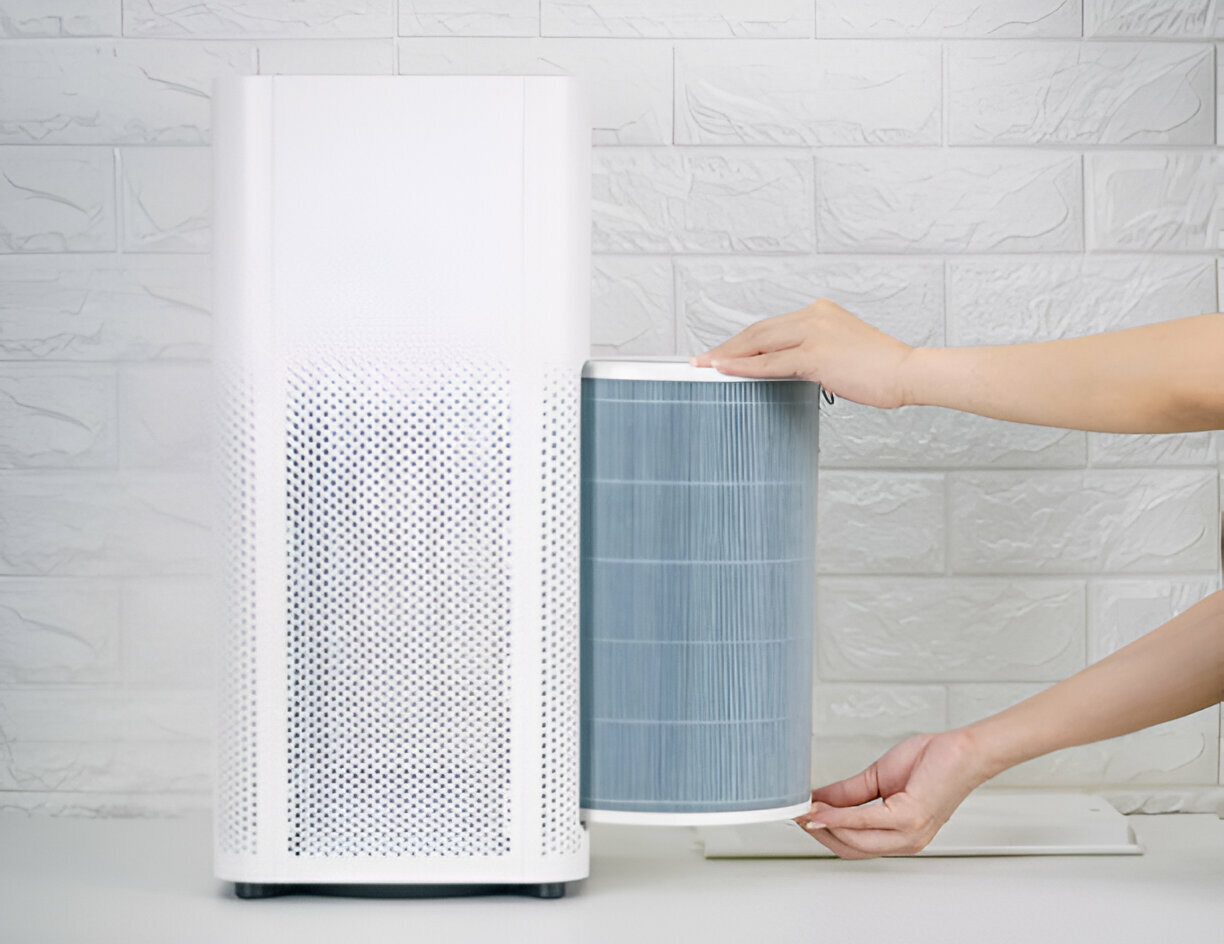
- Filtration upgrades - Installing or upgrading HVAC filters to MERV-rated filters appropriate for the system, and using portable HEPA units in problem rooms.
- Ventilation adjustments - Balancing fresh air intake and exhaust, adding mechanical ventilation where needed, and using heat/energy recovery ventilators if appropriate for comfort and efficiency.
- Humidity control and mold remediation - Targeted cleaning and drying, HVAC coil cleaning, and localized mold abatement performed by qualified remediation contractors when mold growth is confirmed.
- Radon mitigation - Sub-slab depressurization systems where long-term monitoring indicates elevated radon levels.
- CO safety fixes - Inspection and servicing of combustion appliances, flue repairs, and immediate CO hazard elimination if monitors detect dangerous levels.
Timelines and what to expect for results
- Real-time monitoring can reveal issues within hours and is useful for immediate diagnosis.
- Short-term sampling typically requires 1 to 3 days of field work, with lab results returned in about 5 to 14 business days depending on analyses needed.
- Long-term monitoring for radon or seasonal baselines may last weeks to months.
- Follow-up verification after remediation is often scheduled several days to weeks after interventions to ensure changes are effective.
Customer Testimonials
Our customers consistently praise our exceptional service and quality products. Their feedback highlights our commitment to excellence and customer satisfaction.
