


Whole House Dehumidification in Litchfield Park, AZ
Whole-house dehumidification in Litchfield Park, AZ reduces humidity, prevents mold, and improves indoor air quality with central control.
Whole House Dehumidification in Litchfield Park, AZ
Keeping indoor humidity under control is absolutely essential for both comfort and a truly healthy home here in Litchfield Park, AZ. While the Phoenix metro area is typically dry, don't be fooled those summer monsoons, backyard pools, irrigation systems, and even our tightly sealed modern homes can create sneaky pockets of elevated moisture. That's where Arizona TradeMasters comes in. A properly sized whole-home dehumidifier, installed by our experts, will keep your indoor relative humidity in that sweet spot, actively preventing mold and mildew growth, eliminating musty odors, and even helping your cooling system run much more efficiently precisely when you need it most.
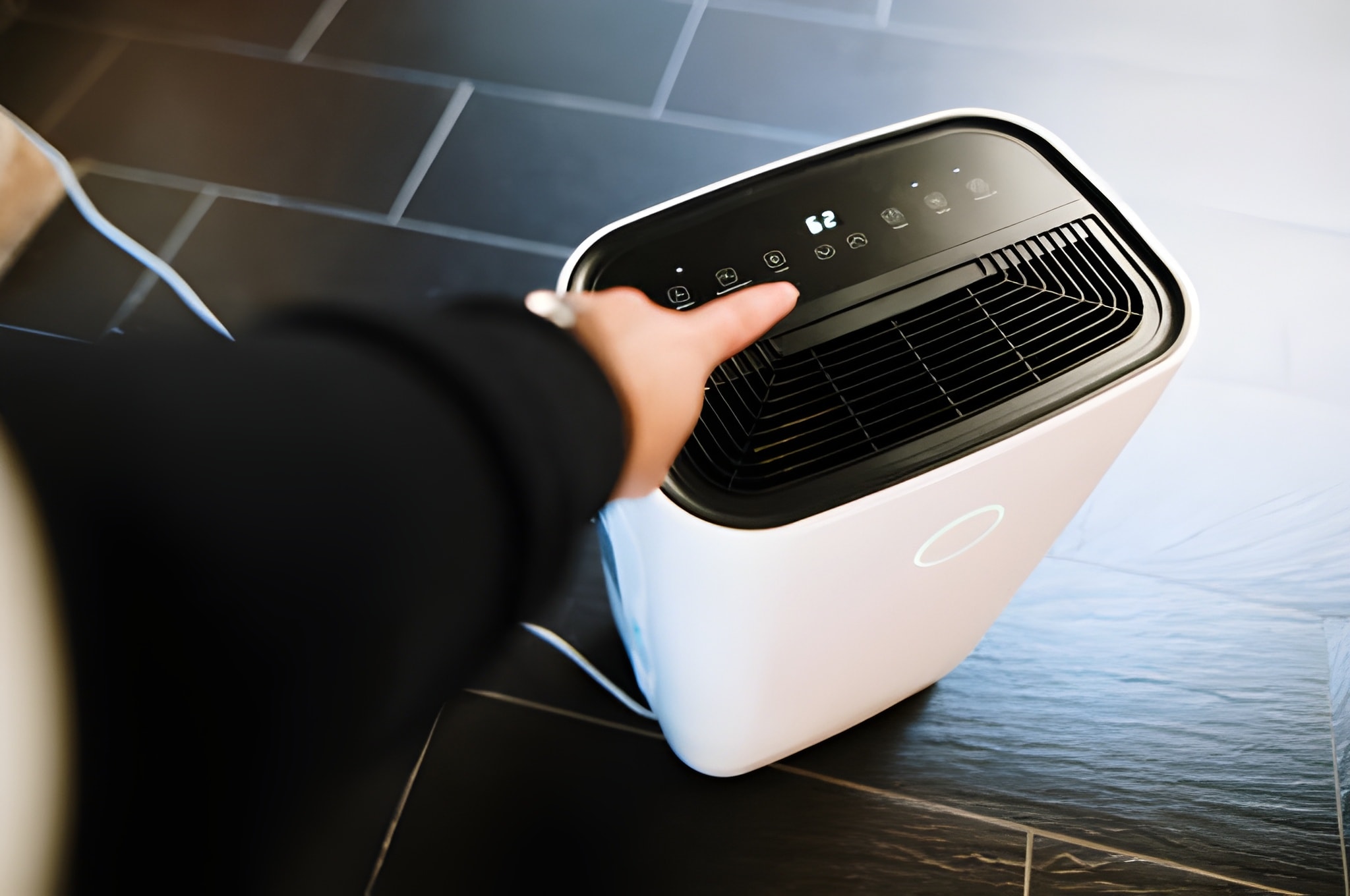
Why whole-house dehumidification matters in Litchfield Park, AZ
- Monsoon season and evening humidity spikes make temporary indoor humidity rises common.
- Irrigation, pool evaporation, and landscape misters increase local moisture loads.
- Modern, energy-efficient homes are tightly sealed, so interior moisture from cooking, showers, and occupants can linger.
- Basements are rare here, but slab foundations and attached garages can still introduce moisture into living spaces.
A whole-home dehumidifier treats the entire conditioned space through the HVAC duct system, unlike portable units that only cool small areas. For homeowners in Litchfield Park, that means consistent humidity control across bedrooms, living areas, and anywhere humidity-sensitive items are stored.
Common whole-house dehumidification issues in Litchfield Park, AZ
- Sticky or clammy indoor air during early monsoon nights
- Condensation on windows or glass doors in the morning
- Musty odors in closets, cabinets, or storage areas
- Visible mold or mildew on grout, window sills, or behind furniture
- Allergy symptoms or increased dust mite activity
- HVAC cycling irregularities when the system struggles to manage latent load
Recognizing these signs early helps determine whether a whole-home system is the right long-term solution or if targeted repairs and ventilation upgrades will suffice.
Types of whole-home systems and how they work
- Ducted condensing dehumidifiers: Installed inline with your HVAC ductwork and use the refrigeration cycle to remove moisture. Well-suited to Arizona’s warm climate and typical residential setups.
- HVAC-integrated dehumidifiers: Built to work with your air handler and thermostat, they allow coordinated control between dehumidification and cooling operations.
- Standalone central units: Installed in mechanical rooms or garages and connected to the return or supply ducts; useful if retrofitting without replacing existing HVAC equipment.
- Desiccant systems: Less common for typical Arizona homes, these use a drying material to adsorb moisture and are used when low-temperature dehumidification is required.
Each type has tradeoffs in efficiency, installation complexity, and space requirements. In hot climates like Litchfield Park, condensing/ducted models are typically the most energy-efficient and cost-effective for whole-home control.
Installation considerations specific to Litchfield Park
- Sizing: Proper sizing is based on square footage, home airtightness, occupancy, and local moisture sources such as pools or frequent irrigation. Oversized or undersized systems will underperform or waste energy.
- Placement: Units are commonly mounted near the air handler in a garage, closet, or conditioned mechanical room. Avoid extremely hot attic locations in the Phoenix area unless the equipment is rated for those conditions and duct insulation is robust.
- Drainage: Plan for reliable condensate drainage using gravity drains or condensate pumps if the unit is below the nearest drain. Monsoon storms can saturate yard drains, so route condensate away from foundations.
- Electrical and airflow: Most whole-home units require a dedicated circuit and proper airflow through the HVAC system. Make sure the existing air handler can handle the added pressure and that filters and coils remain accessible.
- Permits and code: Local codes may require permits for modifications to HVAC systems or condensate disposal. Check municipal requirements for plumbing and electrical work.
Energy efficiency and control options
- Look for units with efficient compressors, variable-speed fans, or ECM motors that match output to demand rather than cycling on and off.
- Smart humidistats and integration with your thermostat allow precise setpoints (commonly 40 to 50 percent relative humidity) and scheduling based on occupancy or time of day.
- Zoned systems can control humidity separately in higher-risk areas such as laundry rooms, bathrooms, and enclosed patios.
- Proper insulation of ducts and condensate lines prevents secondary condensation and improves whole-system efficiency.
Maintenance and expected performance
- Filter cleaning: Check and clean or replace pre-filters every 1 to 3 months depending on indoor dust and pet levels.
- Coil and drain care: Inspect coils and condensate lines annually, and clear blockages or algae buildup before the monsoon season.
- Annual system check: Have airflow, electrical connections, and humidistat calibration reviewed yearly to maintain peak performance.
- Typical outcomes: An effective whole-home dehumidifier will lower indoor RH to the selected setpoint within hours to days, reduce mold risk, eliminate musty odors, and stabilize comfort without the need to overcool the home.
What to expect in terms of cost factors (no price figures provided)
Cost is influenced by system type, capacity, complexity of ductwork modifications, need for condensate pumps or new drains, electrical upgrades, and any required permits. Homes with high moisture loads or multi-level zoning will require more sophisticated systems and installation work. Expect the overall investment to reflect equipment quality, control features, and the degree of retrofit work needed.
Homeowner tips to maximize results in Litchfield Park
- Set your humidistat to about 45 percent for a balance of comfort and mold prevention; adjust seasonally during monsoon nights if needed.
- Run kitchen and bathroom exhaust fans to remove localized moisture at the source.
- Keep irrigation and pool equipment maintained to reduce unnecessary evaporation near the home; relocate sprinklers that spray up against the foundation.
- Seal and insulate doors and garage joints to prevent humid outdoor air infiltration during monsoon storms.
- Schedule a pre-monsoon inspection to ensure condensate lines are clear and equipment is ready for peak humidity periods.
Whole-house dehumidification in Litchfield Park, AZ addresses seasonal spikes and chronic indoor moisture problems with a permanent, centralized approach. When designed and installed correctly, these systems protect your home from mold and moisture damage, improve indoor air quality, and make living spaces more comfortable throughout the year.
Customer Testimonials
Our customers consistently praise our exceptional service and quality products. Their feedback highlights our commitment to excellence and customer satisfaction.
